
Wasp Nest in Dryer Vent or Bathroom Exhaust Vent? What to Do
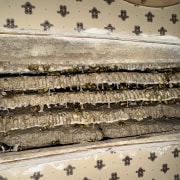
Wasps going in and out of the vent hood on the side of your house is easy to shrug off. It’s just a vent, after all. But a wasp nest in dryer vent openings, or in a bathroom or kitchen exhaust vent, is worth taking seriously. It can affect how the vent works, and the duct leads straight into your home.
Why Wasps Like Vent Hoods
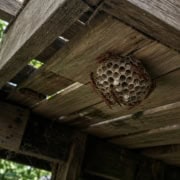
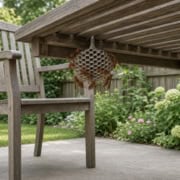
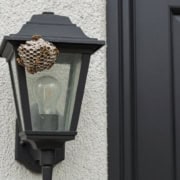
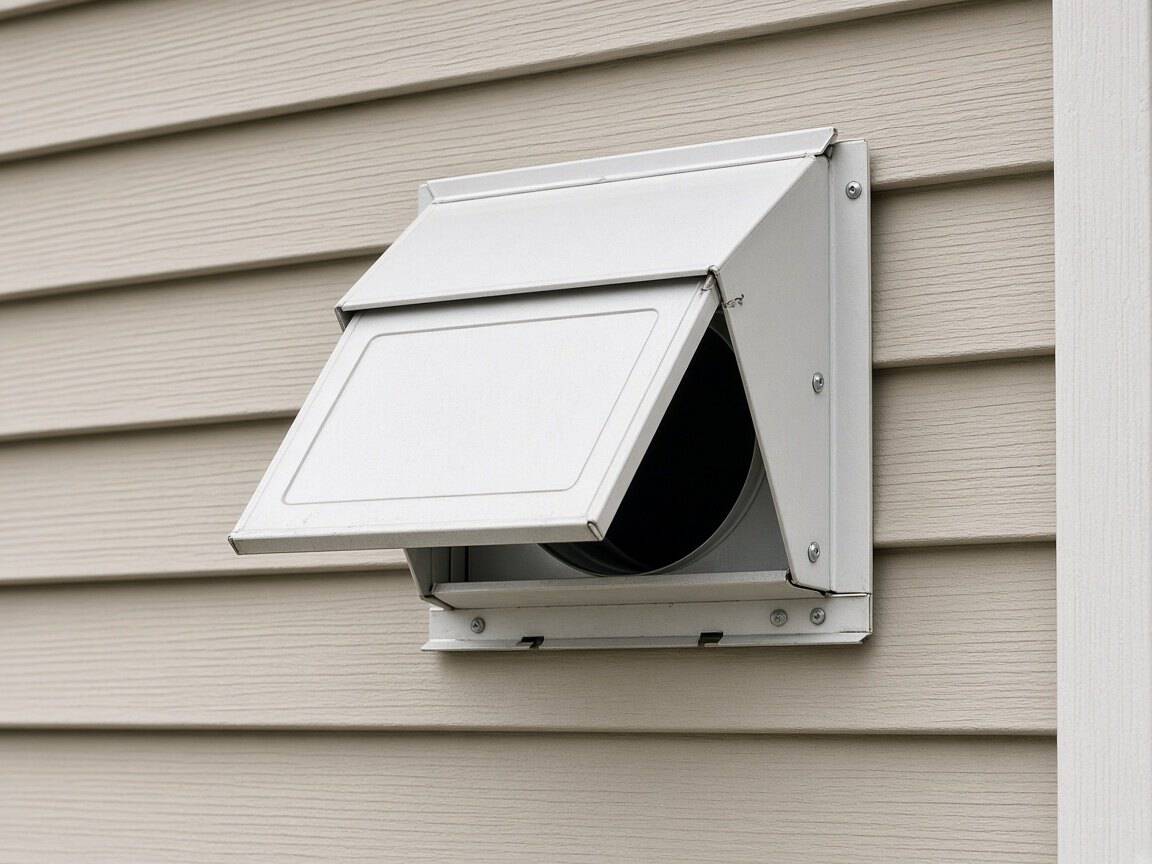
An exterior vent hood offers what nest-building wasps look for: a sheltered, dry spot out of the rain, often with a gap that leads into a larger space. Clemson Extension notes that paper wasps build in protected locations and that one way to keep them out of voids is to screen openings or vents (Clemson HGIC: Paper Wasps). Yellowjackets, which Ohio State University Extension says use secluded cavities for nests (OSU Extension HYG-2075), may treat the duct behind the hood the same way.
Why a Wasp Nest in Dryer Vent Ducts Matters
Airflow. The U.S. Fire Administration explains that dryer exhaust vents can be blocked by the nests of small birds or other animals, and that a compromised vent won’t exhaust properly, which can lead to overheating and fire (USFA: Clothes Dryer Fires in Residential Buildings). The same report lists lint as a leading item first ignited in residential dryer fires. Anything that adds to a blockage at the end of the duct is worth clearing.
A path indoors. A duct is a tunnel into the house. Wasps disturbed at the hood can move along it, and a loose connection behind the dryer or a gap around a bath fan housing can let them into a room. See wasps inside your house if you’re already seeing them indoors.
Don’t Run It, Don’t Spray It
- Hold off on running the vent until the nest is out. Hot air blowing into the colony can stir them up, and you may be pushing air through a partial blockage.
- Don’t spray into the hood. Spray in a duct can drift toward the appliance end, and it rarely reaches the whole nest. See DIY wasp spray mistakes.
- Don’t tape or plug the opening. Ohio State University Extension warns that plugging a wall-nest entrance can send disturbed wasps into the building.
How It Gets Handled
Text us a photo of the vent hood and the wall around it for a free virtual quote. We remove nests by hand or vacuum, with no pesticides. Once the nest is out, a screened or guarded hood can help keep the next one out, and it’s a good time to have the duct cleaned so lint isn’t left behind. Our wasp prevention guide has more sealing tips, and after wasp nest removal covers what to expect next.
Frequently Asked Questions
Is a bathroom exhaust vent any different?
The nest problem is the same: a sheltered hood with a duct behind it. Bath fan ducts often run through the attic, so also check wasps in your attic or soffit.
Could it be bees?
Possibly. Fuzzy, golden bees calmly coming and going may be honeybees, which we always relocate. Compare them in honeybee vs. yellowjacket.
Get the Vent Cleared
Call or text Northwest Ohio Wasp Removal at 419-614-6445, or use our contact page. See our wasp and hornet nest removal service for details.