Why DIY Wasp Spray and Nest Knockdowns Often Make Things Worse
A can of wasp spray seems like a quick fix. Point, spray, and walk away. Unfortunately, many of the calls we receive for wasp nest removal come after a DIY attempt went wrong. Store-bought sprays and nest knockdowns can leave you with an angrier colony, a nest pushed deeper into your home, and sometimes a trip to urgent care. Here is why DIY approaches often backfire, and what to do instead, for homeowners across Northwest Ohio, East Indiana, and Southern Michigan.
The Problem With Spraying What You Can See
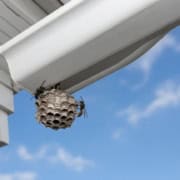
Most wasp spray is designed to hit insects on contact. That works on a handful of wasps sitting on a small, exposed comb. It is much less effective on the nests that cause the most trouble.
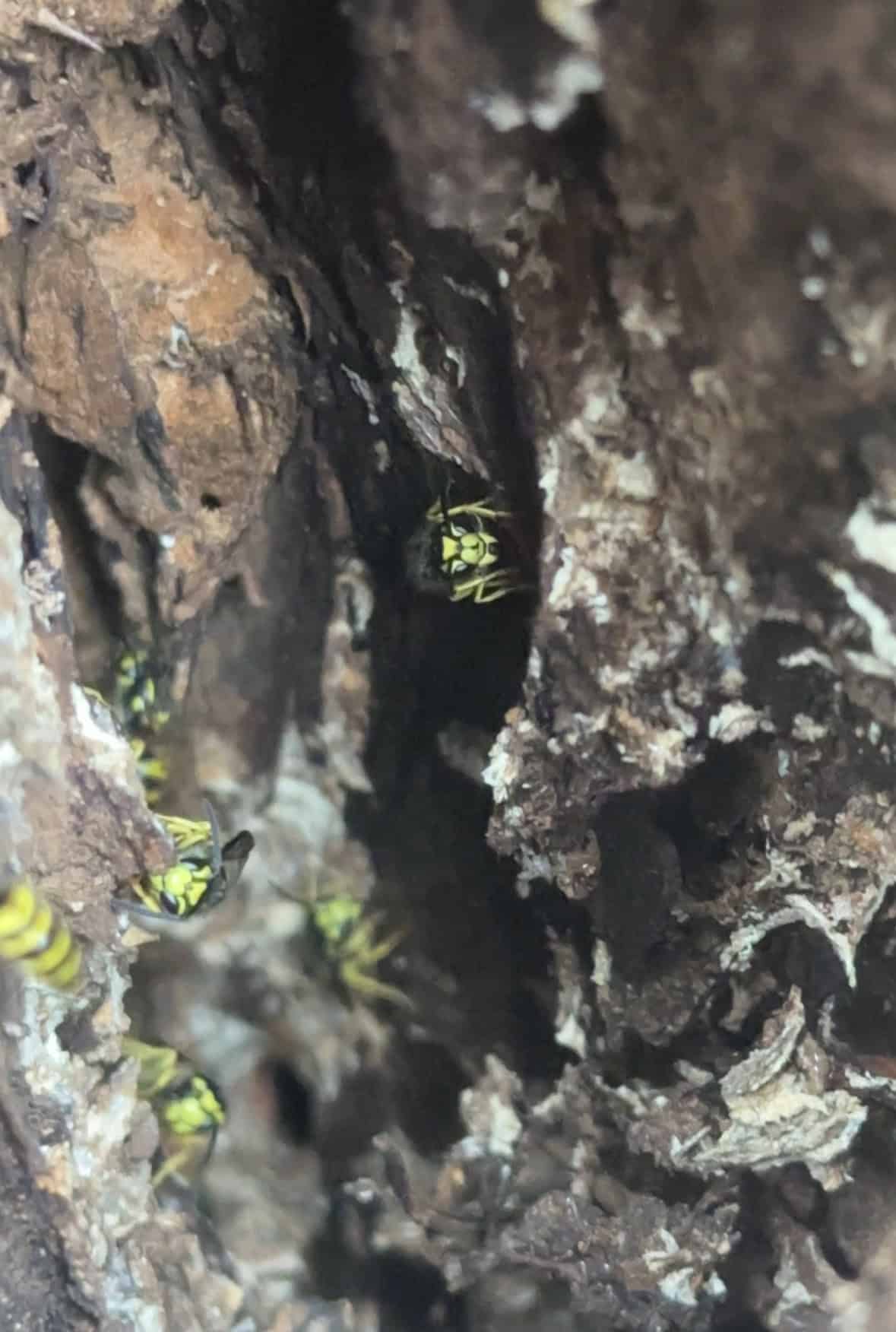
Hidden nests are bigger than they look
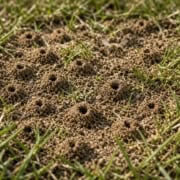
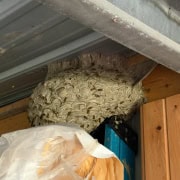
Yellowjackets often nest underground or inside walls, attics, and soffits. What you see is an entrance, not the nest. Spraying the hole rarely reaches the comb, which may be well inside the wall or deep in the soil. Our article on yellowjackets in your walls explains why.
Survivors defend the nest
When a nest is disturbed, workers release alarm pheromones that call more defenders. A partial spray can trigger a full-scale defensive response, and yellowjackets and hornets can sting repeatedly.
The nest is still there
Even if spraying eventually kills a wall colony, the dead nest and larvae stay inside your wall. That can lead to odor and attract other pests. The colony is gone, but the mess is not.
Common DIY Mistakes We See
Sealing the entrance
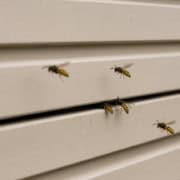
This is the most common and most dangerous mistake. When yellowjackets or hornets cannot get out the way they came in, they look for another exit, sometimes chewing through drywall or ceilings and emerging inside your home.
Knocking down a hornet or paper wasp nest
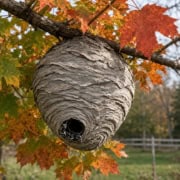
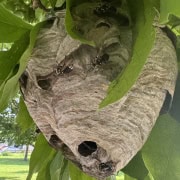
Swinging a broom, hose, or stick at a bald-faced hornet nest puts you in the middle of hundreds of defenders. Shooting it, throwing things, or trying to bag it from a ladder is even riskier. See our guide to bald-faced hornet nests.
Pouring gasoline or chemicals into a ground nest
This is a fire hazard, contaminates soil, and often does not reach the whole nest. It is never a good idea.
Spraying at night without a plan
Night treatment is sometimes recommended because many wasps are in the nest after dark. But European hornets fly at night and are attracted to flashlights, and fumbling on a ladder in the dark is a recipe for falls and stings.
Mowing or trimming “quickly” past a nest
Mower vibration and hedge trimmers are some of the biggest triggers for yellowjacket and hornet attacks.
Spraying honeybees
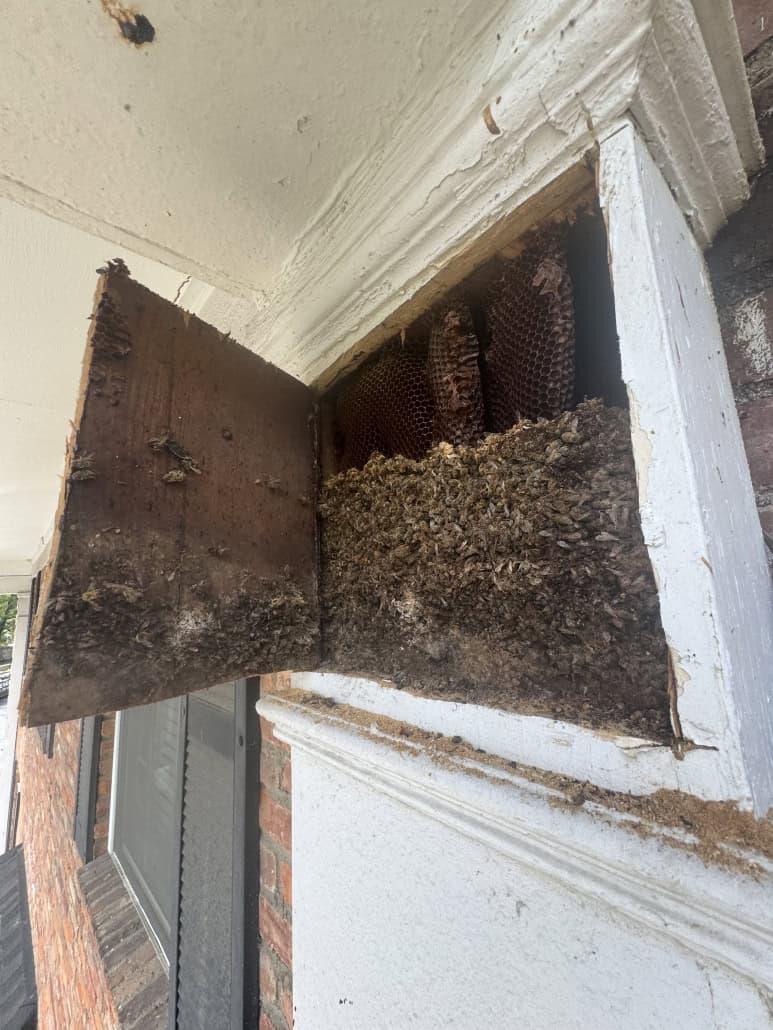
Honeybees are often mistaken for wasps. Spraying a honeybee colony in a wall leaves honey and comb behind that can melt, leak, and attract pests, and it destroys a colony that could have been saved. Honeybees should always be removed alive. Learn why in our article on why beekeepers never exterminate honeybees.
Signs a DIY Attempt Has Made Things Worse
- Wasps are still flying a day or two after spraying.
- You are seeing wasps inside your house for the first time.
- A new entrance has appeared near the old one.
- Wasps are more defensive around the area than before.
- There is a bad smell coming from a wall or ceiling.
If any of these sound familiar, stop treating and call a professional.
The Lasting Damage From a Failed DIY Attempt
Beyond stings, a botched DIY treatment can create problems that last long after the wasps are gone:
- Damaged drywall and ceilings when a blocked colony chews its way indoors
- Odors and stains from a dead nest left in a wall or ceiling
- Pesticide residue on decks, play areas, and gardens where kids and pets spend time
- Harm to pollinators when sprays drift onto flowers or are used on bees by mistake
A Better Approach to Wasp Nest Removal
Northwest Ohio Wasp Removal is a Mindful Beekeeper company, owned by a beekeeper. Our approach is built around a few principles:
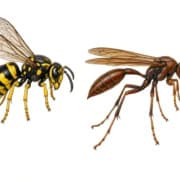
- Identify the insect first. Yellowjackets, hornets, paper wasps, and honeybees each need a different response.
- Pesticide-free removal. We do not spray poisons in your home. The colony and the nest are physically removed.
- Nothing left behind. Removing the nest means no rotting comb in your walls.
- Protect pollinators. Honeybees, bumblebees, and native paper wasps are always humanely relocated.
For more on what a professional removal looks like, see our guide to wasp nest removal in Northwest Ohio.
When DIY Might Be Reasonable
Not every nest needs a professional. A brand-new, golf-ball-sized starter nest in early spring, far from doors and walkways, with no one in the household allergic to stings, is a much lower-risk situation. Even then, confirm what it is first, and leave native paper wasps and all bees alone. If in doubt, ask.
Frequently Asked Questions
Why are there still wasps after I sprayed the nest?
The spray likely did not reach the main nest, especially if it is underground or inside a wall. Returning foragers and surviving workers keep the colony going.
Should I plug the hole after spraying?
No. Plugging an active entrance can force wasps to chew into your home. Leave it open until the nest is removed.
Is wasp spray safe to use inside walls?
We use pesticide-free methods and do not recommend spraying into walls. It often fails to reach the nest and leaves the nest behind.
Where do you offer wasp nest removal?
We serve Northwest Ohio, East Indiana, and Southern Michigan.
Skip the Spray Can
If you have a nest that is too big, too hidden, or too close for comfort, visit our contact page to reach Northwest Ohio Wasp Removal.