Wasp and hornet nest removal · Pesticide-free · Beekeeper-owned
Our Services: Wasp and Hornet Nest Removal, Bee Relocation & Wildlife Rescue
Four services, one beekeeper, zero pesticides.
From wasp and hornet nest removal to live honeybee rescue, every job we take starts the same way: figure out exactly what animal you have, then pick the gentlest method that solves the problem. We don’t spray poisons, and anything that can be saved is moved, not killed. Serving Northwest Ohio, Southern Michigan and Eastern Indiana.
What We Do
Pick a service to jump to the details
Wasp & Hornet Nest Removal
Yellowjacket, hornet and European paper wasp nests taken out without chemicals.
Humane Honeybee Removal & Relocation
Swarms and colonies collected alive and given a home in a beekeeper’s apiary.
Cicada Killer Relocation
Gentle ground-nesting wasps moved away from lawns, walks and play areas.
Opossum Rescue & Transport
Opossums in trouble safely contained and driven to a licensed wildlife rehabilitator.
Wasp and Hornet Nest Removal
Pesticide-free extraction for the nests that put people at risk
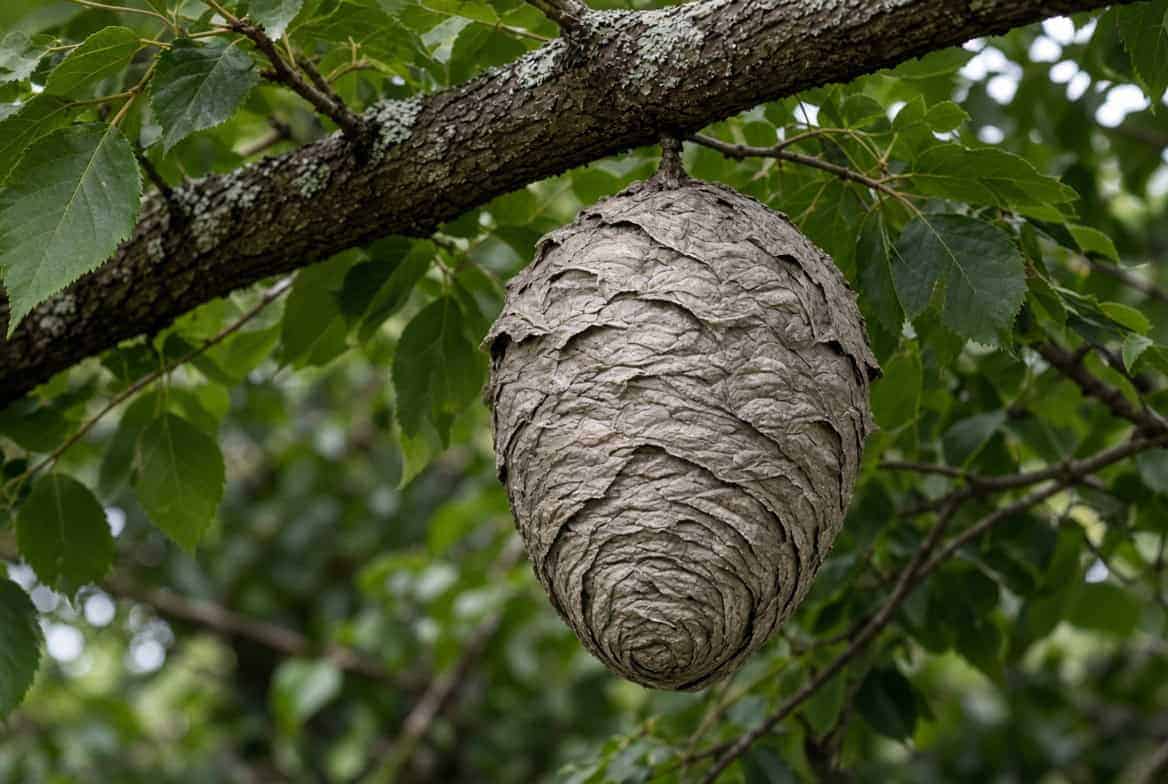
Yellowjackets, bald-faced hornets, European hornets and European paper wasps can turn a porch, deck or wall into a no-go zone. We physically remove the nest, including nests hidden in attics, foundations, basements, walls and ceilings, instead of spraying it, so nothing is left decaying behind your drywall.
Native paper wasps are a different story. They are helpful predators of garden pests, so we always relocate them instead of destroying them. European paper wasps, an introduced species, can be removed.
Signs It’s Time to Call
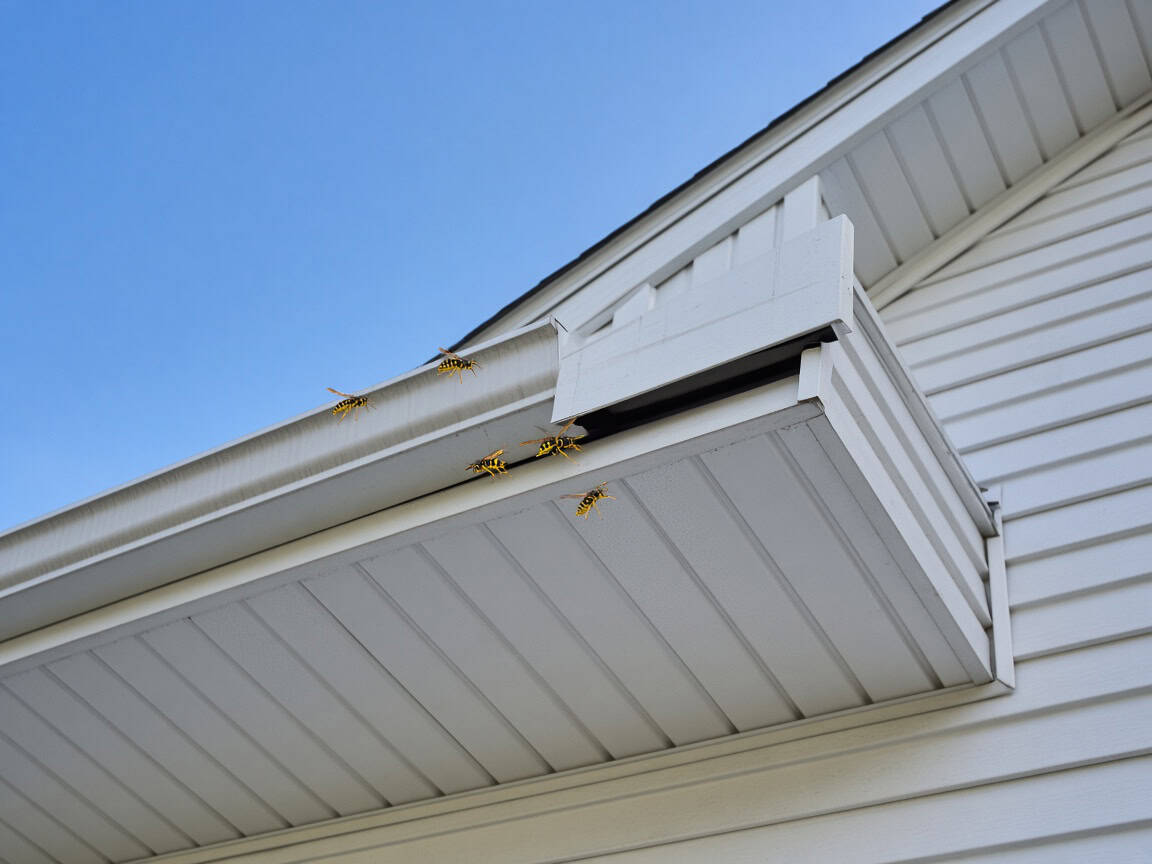
- Wasps streaming in and out of one gap in siding, a soffit or a vent
- A gray, papery ball growing in a tree, shrub or under an overhang
- A steady line of yellowjackets entering a hole in the lawn
- Chewing or crackling sounds inside a wall or ceiling
Our Approach
- Identify the species from your photo or an on-site look
- Explain the plan and give a free virtual quote
- Extract the nest without pesticides
- Always relocate native paper wasps, never destroy them
Further reading: what to expect from wasp nest removal, yellowjackets in your walls and native vs. European paper wasps.
Humane Honeybee Removal & Relocation
Live removal by a beekeeper. Honeybees are never exterminated.
A pest company will often hand honeybees off to someone else. Here, the beekeeper is the company. Swarms and established colonies are carefully collected alive and handed to our sister company, The Mindful Beekeeper, where they go through an inspection station before joining the apiary in Loudon Township.
Exposed swarm removal is free through The Mindful Beekeeper. Text or call to report a swarm. Honeybee relocation from walls and other structures is being scheduled for Spring 2027.
Bumblebees are protected too. A bumblebee nest in a natural spot, such as a ground cavity, an old rodent burrow or under a deck, is humanely relocated rather than killed.
Signs You Have Honeybees
- A buzzing cluster hanging from a branch, fence or eave (a swarm)
- Bees using one entrance on a wall day after day
- Wax comb or honey staining showing through a ceiling or siding
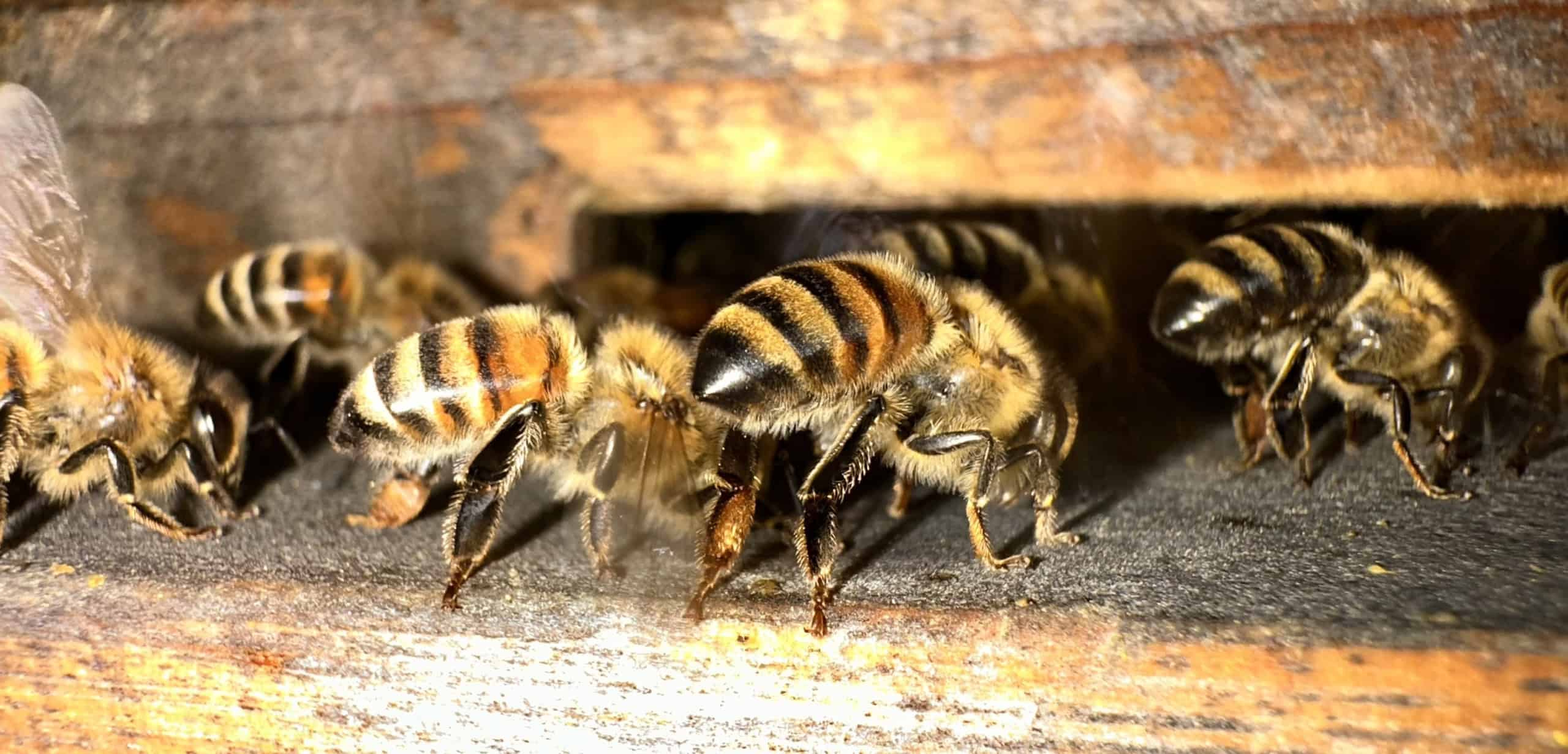
- Fuzzy, golden-brown bees rather than shiny yellow-and-black wasps
Further reading: honeybees in your walls, honeybee swarms in Ohio and bumblebee relocation.
Cicada Killer Relocation
Big wasps, small threat, humane solution
Cicada killers are solitary wasps that dig burrows in sunny, loose soil along walkways, patios and lawn edges. They look alarming, but they are gentle. Males can’t sting at all, and females rarely do. When their burrows end up where kids play or people walk, we relocate them instead of poisoning the ground.
Signs of Cicada Killers
- Large wasps patrolling low over the lawn in midsummer
- Round burrow holes with a small fan of fresh soil
- Activity near sidewalks, patio edges or sandy bare spots

Learn more: mud daubers and cicada killers, Ohio’s gentle solitary wasps.
Opossum Rescue & Transport
Humane help for North America’s only marsupial
Found an opossum that is injured, orphaned or trapped somewhere it shouldn’t be? The same respect for wildlife that guides our bee work applies here. We humanely rescue the opossum and transport it to a licensed wildlife rehabilitator who can give it the care it needs.
What to Do Until We Arrive
- Keep children and pets away from the animal
- Don’t pick it up with bare hands
- If it’s safe, cover it loosely with a ventilated box and keep it somewhere quiet
- Call or text with a photo and your location
Plan Around the Seasons
Spring queens, summer swarms, late-season yellowjackets. Each part of the year brings its own stinging-insect problems. Our month-by-month wasp season guide helps you spot them early.
Credentials & Safety Training
Who you’re hiring, in plain terms
OSHA 30 Certified30-Hour OSHA trained
NFPA 70E CertifiedNFPA 70E electrical safety awareness
InterNACHI Course CompletedResidential Electrical Home Inspector course
Ohio Apiary RegistrationOhio Department of Agriculture, Certificate # API-2026-1839, valid through 05/31/2027. View certificate
Mindful Beekeeper LLCOffices in Loudon Township and Bryan, OH
Beekeeper-OwnedRun by a working beekeeper, not a spray route
Pesticide-FreeNo pesticides applied, so no pest control license is needed
What Our Customers Say
Reviews from homeowners and property owners on Google







Read all of our Google reviews →
Wasp and Hornet Nest Removal FAQs
General questions about all four services
Do you use any pesticides?
No. Our methods are pesticide free, which is what allows beekeepers to provide this service without a pest control license.
Do you offer services other than these four?
No. We focus on wasp and hornet nests, honeybee and bumblebee relocation, cicada killers and opossum rescue. If you’re unsure whether your problem fits, send a photo and ask.
How do I get a quote?
Text a photo and a short description to 419-614-6445 for a free virtual quote.
Which insects are always relocated instead of removed?
Honeybees, bumblebees and native paper wasps are always moved alive. Yellowjackets, bald-faced hornets, European hornets and European paper wasps are taken out without pesticides.
Why have a beekeeper handle wasp and hornet nest removal?
A beekeeper works with stinging insects every season, so the first step is always naming what’s actually there. That decides whether a colony is saved or a nest comes out, and nothing gets sprayed either way.
Do you work on farms, churches and business properties?
Yes. Grain bins, pole barns, church buildings, rentals and storefronts get the same pesticide-free approach as a house. Send photos of each spot so we can plan the visit.
What should I do before you arrive?
Keep kids and pets clear of the area and leave the entrance open. Blocking an active hole or spraying a store-bought product can push insects to find another exit, sometimes into the living space.
What areas do you serve?
Northwest Ohio, Southern Michigan and Eastern Indiana, from offices in Loudon Township and Bryan, OH. See the full service area for the towns we cover.
Tell the Beekeeper What You’re Seeing
Free virtual quotes. No pesticides. Pollinators always relocated.
The 2026 wasp season has ended. See you next summer!