
Honeybees in Your Walls: Live Bee Removal Without Extermination
Bees going in and out of a crack in your siding, a soffit, a chimney, or a gap around a window can mean a honeybee colony has moved into your home. Unlike wasps, honeybees do not leave on their own when the weather turns cold, and simply killing them creates new problems. This guide explains how live bee hive removal works, why extermination is the wrong answer, and what to expect when honeybees are removed from a wall in Northwest Ohio, East Indiana, or Southern Michigan.
How Honeybees End Up in Your Walls
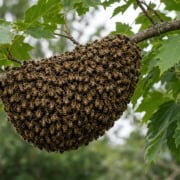
Most wall colonies start as a swarm. In spring and early summer, a honeybee colony divides and a large group of bees leaves with the old queen to find a new home. Scout bees search for a dry, protected cavity, and a wall void, ceiling, soffit, or chimney is a close match for the hollow trees honeybees use in nature. Read more about how this happens in our article on honeybee swarms in Ohio.
Once inside, the bees immediately begin building sheets of beeswax comb. They raise brood, store pollen, and fill the comb with honey. Over time, a colony can grow into a large, heavy structure inside your wall.
Signs of Honeybees in Your Walls
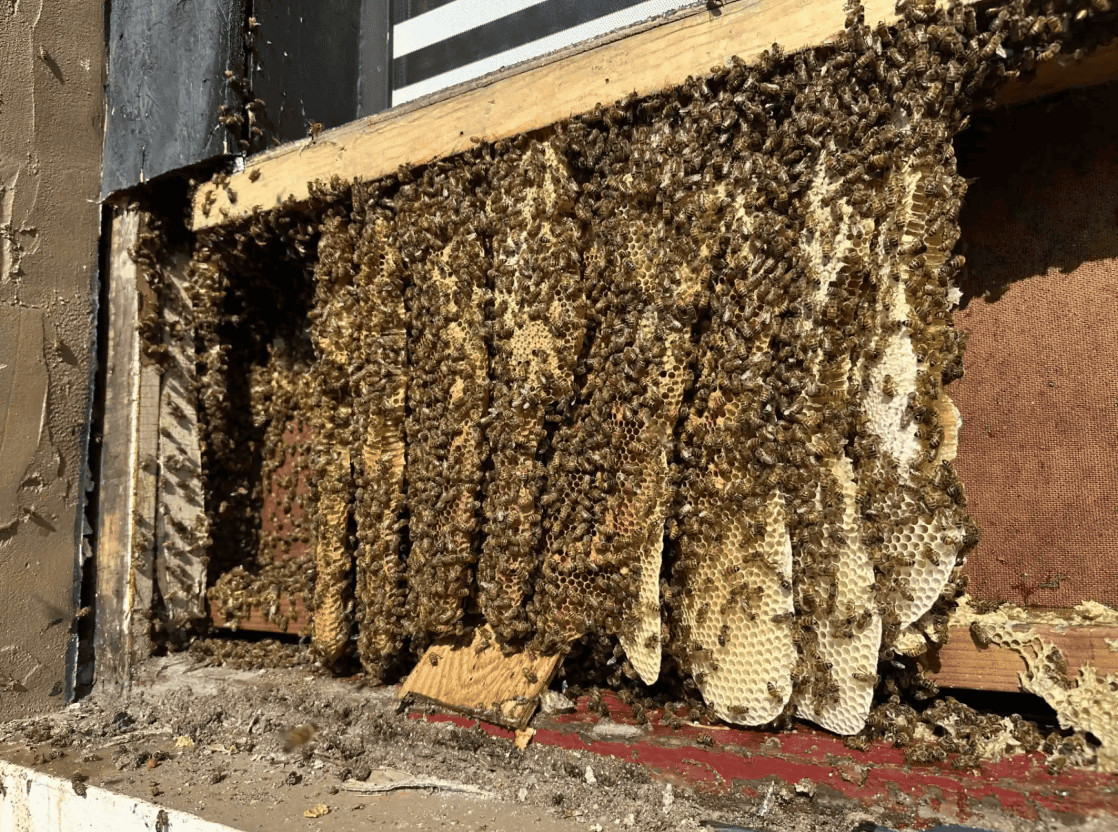
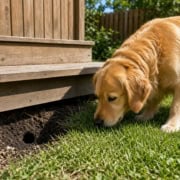
- Steady bee traffic in and out of a small opening, often in the same spot day after day
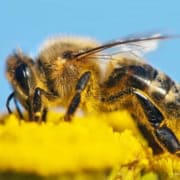
- Fuzzy, golden-brown bees returning with pollen on their legs
- Activity on warm days in early spring or late fall, when wasp colonies are not active
- A humming sound inside the wall
- Stains, a sweet smell, or honey seeping through drywall or ceilings in long-established colonies
- Bees indoors, especially near windows and light fixtures
If the insects are smooth and shiny and the activity disappears after the first hard frosts, you may be dealing with yellowjackets instead. Our article on yellowjackets in your walls covers those signs.
Why Exterminating Honeybees in a Wall Is a Bad Idea
Spraying a honeybee colony inside a structure may kill the bees, but it leaves everything else behind:
- Honey and comb stay in the wall. Without bees to regulate temperature and guard it, wax can soften and honey can leak, ferment, and stain walls and ceilings.
- Pests move in. Abandoned comb and honey attract wax moths, small hive beetles, ants, rodents, and other insects.
- Odors develop from thousands of dead bees and rotting brood.
- New swarms return. The scent of old comb can attract future swarms to the same cavity.
- Pollinators are lost. A healthy colony of honeybees is destroyed when it could have been saved.
That is why honeybees are always relocated alive by our team, never exterminated. Our article on why beekeepers never exterminate honeybees goes deeper.
How Live Bee Hive Removal Works
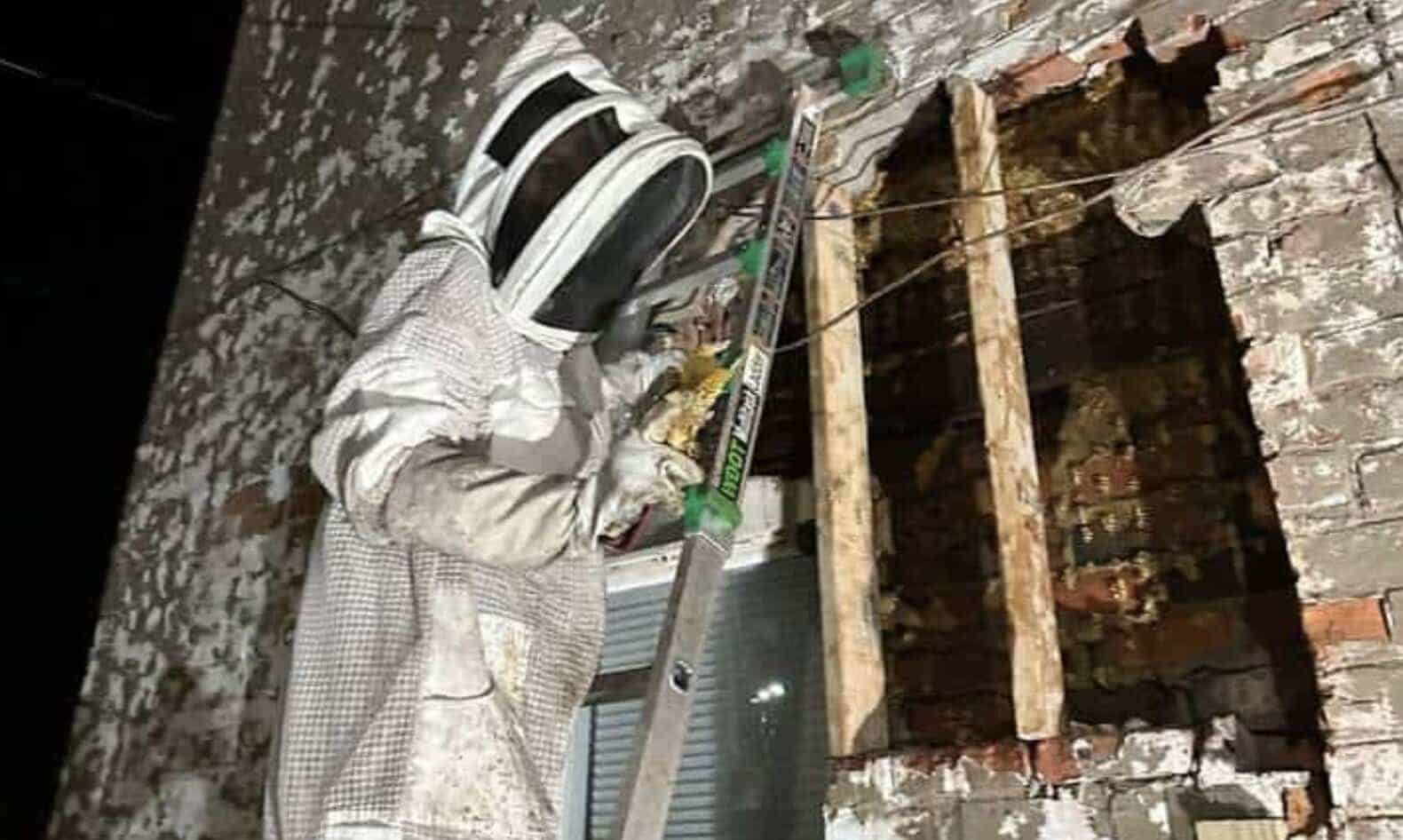
A live honeybee removal from a structure is often called a “cut-out.” Every building is different, but the process typically includes:
- Locating the colony. The entrance is not always directly beside the comb. Tools like thermal cameras can help pinpoint where the colony sits inside a wall or ceiling.
- Opening the cavity. Siding, trim, drywall, brick, or ceiling material is carefully opened to expose the comb.
- Removing the comb and bees. Comb with brood is transferred into frames in a hive box so the colony keeps its developing bees. The adult bees, ideally including the queen, are collected along with it.
- Cleaning out the cavity. Remaining honey and wax are removed so they do not attract pests or future swarms.
- Relocating the colony. The bees are moved to an apiary where they can continue to live and pollinate.
Our methods are pesticide-free, and because the bees, comb, and honey are all removed, nothing is left behind to rot.
Our Sister Company: The Mindful Beekeeper
Northwest Ohio Wasp Removal and The Mindful Beekeeper are both owned by a beekeeper. The Mindful Beekeeper specializes in humane honeybee removal and relocation from structures and voids, including walls, ceilings, chimneys, and other hard-to-reach spaces. If you have honeybees in your home, visit themindfulbeekeeper.com to see examples of live removals and learn more about honeybee rescue.
After the Removal
Once the bees, comb, and honey are out, the cavity should be cleaned and closed up so it does not attract the next swarm. Old comb and honey residue give off scents that scout bees can detect, so a thorough cleanout matters. Sealing the original entrance and any other gaps in the area, once the bees are gone, is the best way to keep a new colony from moving into the same space next spring.
What You Should Do Right Now
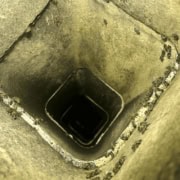
- Do not seal the entrance. Trapped bees may find their way into your living space, and sealing does not remove the comb.
- Do not spray. Pesticides can contaminate honey and comb and turn a live removal into a messy cleanup.
- Note what you see: where the bees enter, how long they have been there, and whether you have noticed staining or bees indoors.
- Call a beekeeper who performs live structural removals.
Frequently Asked Questions
Will honeybees leave my wall on their own?
Rarely. Honeybee colonies are perennial. They cluster through the winter and can live in the same wall for years, growing larger each season.
Do you have to open the wall?
In most cases, yes. The comb, honey, and brood must be physically removed for the job to be complete. Access is planned to minimize disruption.
Is bee hive removal different from wasp nest removal?
Very different. Wasp nests are paper and the colonies die off in winter. Honeybee colonies are wax, store honey, and live year-round, so they require a live removal and relocation.
Where do you provide live bee hive removal?
We serve Northwest Ohio, East Indiana, and Southern Michigan.
Honeybees in Your Home?
Let a beekeeper remove them alive and take the comb and honey with them. Visit our contact page or learn more at The Mindful Beekeeper.