Opossum Tracks and Signs: How to Tell an Opossum Visited
Something knocked over the bird feeder or nosed into the trash last night. Was it an opossum? Opossum tracks are some of the easiest wildlife prints to recognize, because their feet look like small hands. Here’s what to look for in mud, snow and dust, plus other clues that one stopped by.
How to Recognize Opossum Tracks
The Missouri Department of Conservation describes the prints:
- Front foot: about 2 inches, star-shaped, with five toes spread wide.
- Hind foot: about 2 inches, with the inner “thumb” sticking out at a right angle and leaving no claw mark. The three middle toes sit close together.
- Pattern: the front track often sits right beside the hind track.
- Tail drag: sometimes a line between the prints where the tail touched the ground.
UC IPM explains why: an opossum’s feet look like small hands with five spread fingers, and every toe has a claw except the opposable thumb on the rear foot. The Cornell Wildlife Health Lab notes that thumb, along with a tail that can grip, makes opossums good climbers.

Where to Look
Clear prints show up best in soft mud, fresh snow, dust or sand: along a garden bed, by a downspout, under a deck or beside the bins. MDC notes opossums stay active in winter, so snow is a good time to check. The Wisconsin DNR says they rest by day in places like brush piles, hollow logs and spaces under buildings or porches, so start near those.
Other Signs an Opossum Visited
- Trash and pet food. The Florida Fish and Wildlife Conservation Commission notes opossums eat whatever is available, including garbage, and lists trash, outdoor pet food, bird seed and fallen fruit as attractants.
- Night activity. Opossums are mostly nocturnal, so a mess that appears overnight fits.
- Short visits. The Massachusetts Division of Fisheries and Wildlife describes opossums as nomadic, so many visitors are just passing through.
Cut Down on Visits
Massachusetts recommends securing garbage with tight lids and putting it out the morning of pickup, and feeding pets indoors. FWC adds securing bird seed and picking up fallen fruit. See opossums and dogs for pet routines.
When to Call
Tracks alone don’t mean anything is wrong. Healthy adults usually move on by themselves, and our rescue service is for opossums that are hurt, orphaned or trapped. Call if you find one injured, stuck in a window well or trash can, or young ones alone. See opossum in a window well and injured opossum.
Frequently Asked Questions
Do opossums dig up lawns?
If you’re finding holes rather than prints, see holes in the lawn. Many small holes in summer are made by insects.
How big is an opossum?
UC IPM describes them as about the size of a house cat, 2 to 3 feet long including the tail.
Opossum Hurt or Stuck?
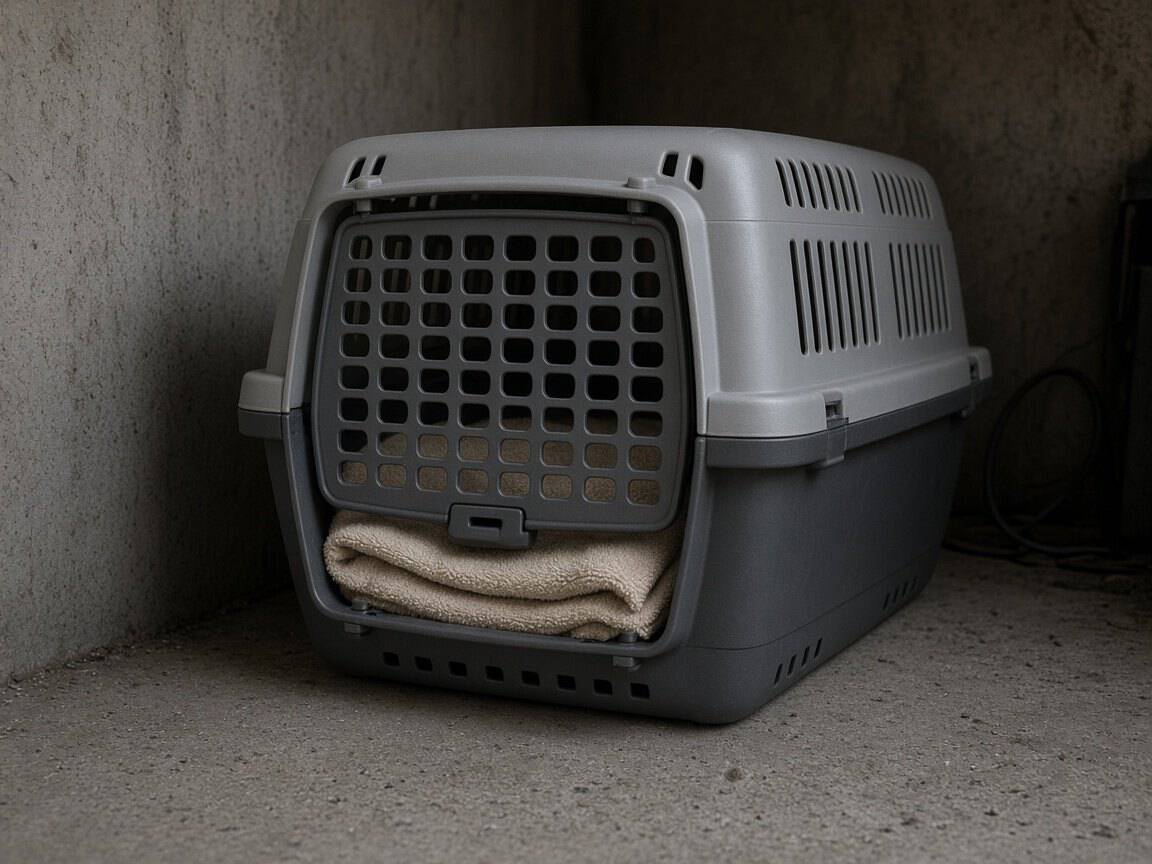
Our Opossum Rescue & Transport service is for opossums that are injured, orphaned or trapped. Call or text 419-614-6445 with a photo and your location, or use our contact page. We contain the animal gently in a ventilated carrier, never with bare hands, and drive it to a licensed wildlife rehabilitator for care. See opossum rescue. Opossums are the only mammals we rescue.
Sources
- Missouri Department of Conservation Field Guide: Virginia Opossum
- University of California IPM: Opossum
- Cornell Wildlife Health Lab: Weird and Wonderful Wildlife, the Opossum
- Wisconsin DNR Keep Wildlife Wild: Opossum
- Florida Fish and Wildlife Conservation Commission: Living with Opossums (PDF)
- Massachusetts Division of Fisheries and Wildlife: Learn About Opossums