After Wasp Nest Removal: Returning Wasps, Leftover Paper and Sealing Up
The nest is out, and the porch, eave or wall is quiet again. Mostly. It’s common to have questions after wasp nest removal: Why are a couple of wasps still flying around? Should the old paper go? Will they come back next year? Here’s what’s normal and what you can do to keep the spot from being chosen again.
A Few Wasps Hanging Around Is Normal
Not every wasp is home when a nest is removed. Foragers that were out collecting food come back to where the nest used to be. Ohio State University Extension notes that returning workers will search the immediate area looking for the entrance (OSU Extension HYG-2075). OSU describes new colonies as being started by an overwintered queen in spring, not by workers, so those stragglers don’t rebuild the colony.
Give the area a little space for a day or two. Don’t swat at them. OSU’s advice holds here too: simply walk away from a wasp flying near you. If you see steady traffic going into one spot several days later, that can mean a second nest nearby, so send us a photo.
What to Do With Leftover Nest Paper
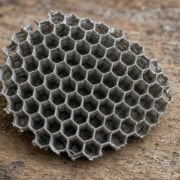
Wasp nests are made of chewed wood fiber, essentially paper. An empty comb or scraps of nest envelope can be bagged and thrown away. Clemson Extension recommends removing nests to discourage future paper wasp nests in the same spot (Clemson HGIC: Paper Wasps). Clemson’s yellowjacket fact sheet adds that above-ground nests are rarely used again the next spring (Clemson HGIC: Yellowjackets). Our post on wasp nests in winter explains what happens to old nests over the cold months.

Sealing Up After Wasp Nest Removal
Clemson notes that paper wasp queens survive winter in protected places like cracks and crevices around structures, then start new nests in spring. That means the best time to seal is after the nest is gone and before next spring.
- Seal the old entrance once the nest is fully out, whether it’s a siding gap, a soffit seam or a gap around a fixture. Never seal an active entrance. See wasp nest in siding for why.
- Screen vents and openings. Clemson recommends screening openings or vents to keep wasps out of voids. See wasp nest in a dryer vent.
- Repaint bare wood. Clemson notes a fresh coat of paint or varnish makes it harder for wasps to attach a nest.
- Trim shrubs near the house so nests aren’t hidden in inner branches.
Our full wasp prevention guide walks through the whole house.
When to Call Us Back
- Wasps are still going in and out of the same gap several days later.
- You’re finding wasps indoors. See wasps inside your house.
- You spot a new nest somewhere else on the property.
Frequently Asked Questions
Will wasps rebuild in the exact same spot?
A new queen may choose a similar sheltered spot, which is why sealing and painting help. Clemson says nests are rarely reused, but the location can still be attractive.
Should I put up a fake nest?
See fake wasp nests, traps and peppermint oil before you buy one.
Questions After Your Removal?
Call or text Northwest Ohio Wasp Removal at 419-614-6445, or visit our contact page. Read more about our wasp and hornet nest removal.