Cicada Killer Life Cycle: From Burrow to Adult
Most people see cicada killers for a few weeks in midsummer and then never think about them again. But the cicada killer life cycle runs all year, mostly underground in the same patch of soil. Knowing what’s happening down there explains why the wasps show up when they do and why they often return to the same yard.
The Cicada Killer Life Cycle Starts in Summer
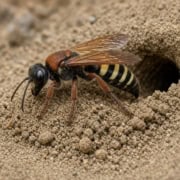
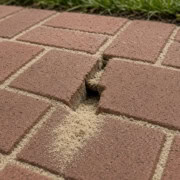
University of Kentucky Entomology says males begin emerging in late June and July and stake out areas where females will appear. Once females emerge and mate, they dig tunnels in dry, sandy, loose soil. The digging leaves piles of soil near retaining walls, in turf and in landscape beds.
Timing follows the prey. OSU Buckeye Yard and Garden onLine notes cicada killers feed exclusively on annual cicadas and normally appear when the annual cicadas arrive. In Ohio, the most common annual cicada, the dog-day cicada, usually shows up starting in July.

Hunting and Stocking the Burrow
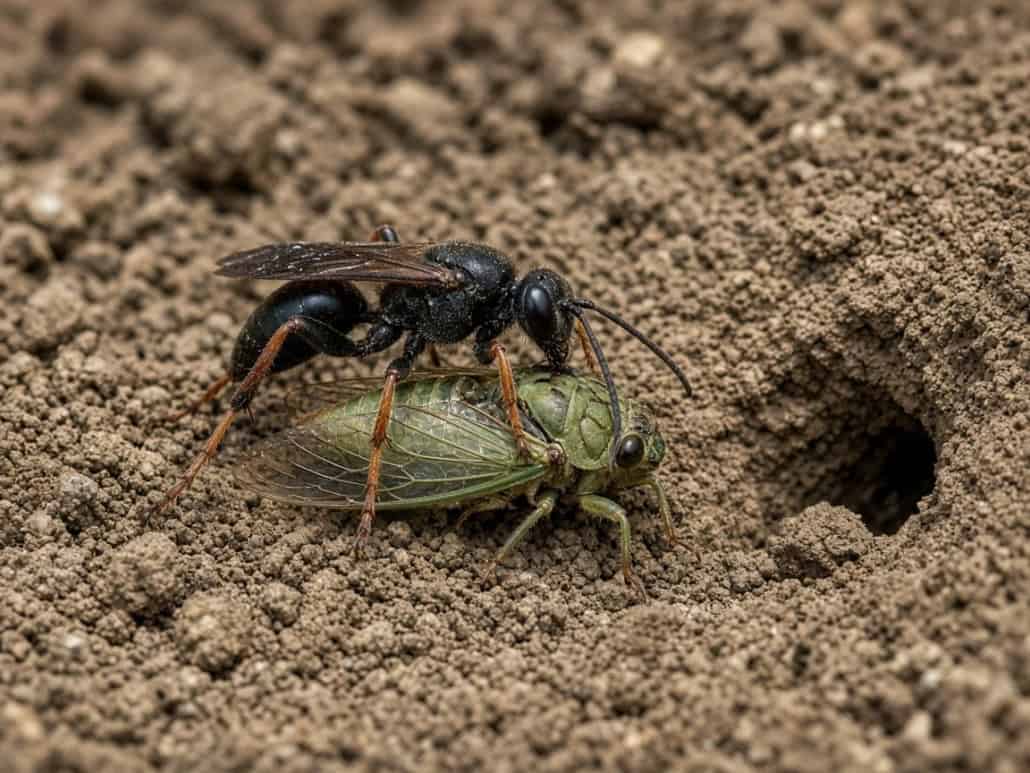
A female finds a cicada, stings it to paralyze it, and brings it back to her burrow. UKY explains that she builds multiple cells in each burrow, much like a mason bee. Once a cicada is placed in a cell, she lays an egg on it.
Egg and Larva
The egg hatches, and the larva feeds on the cicada its mother provided. UKY says larvae develop over about two weeks.
Winter Underground
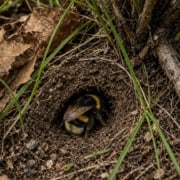
After feeding, the larva pupates for the winter. UKY notes cicada killers overwinter as pupae in the tunnels their mothers built. That’s the longest stage of the cycle, from late summer through the following spring, all of it out of sight.
Emergence the Next Summer
The next summer, new adults dig their way out, males first. Females mate and start new burrows, often in the same sunny, loose soil. That’s why the same strip by the sidewalk can fill with holes year after year. See do cicada killers come back?
What the Cycle Means for Your Yard
- Act in summer, change the soil any time. Relocation happens while adults are active. Mulch, shade or irrigation can be added later to make the spot less inviting, as UKY suggests.
- Skip the poison. OSU does not recommend insecticides for cicada killers, and we don’t put poison in the soil.
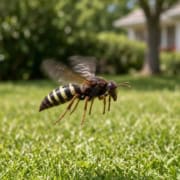
- Know the sexes. The bold ones hovering at you early in the season are males, which can’t sting. See male cicada killers.
Frequently Asked Questions
How many generations a year?
The cycle described by UKY is one generation a year: adults in summer, young underground through winter.
Do cicada killers eat periodical cicadas?
OSU notes they prey on annual cicadas, not periodical cicadas or other insects.
Are they related to other ground wasps?
Other solitary diggers look similar. See great black wasps and golden digger wasps and mud daubers and cicada killers.
Burrows Where You Don’t Want Them?
We relocate cicada killers instead of putting poison into the soil where people and pets walk. Call or text Northwest Ohio Wasp Removal at 419-614-6445, or use our contact page, and send a photo of the wasps or burrows if you can. See cicada killer relocation for how it works.