Bumblebee Nest in the Ground: Leave It, Move It or Call?
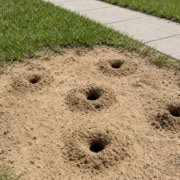
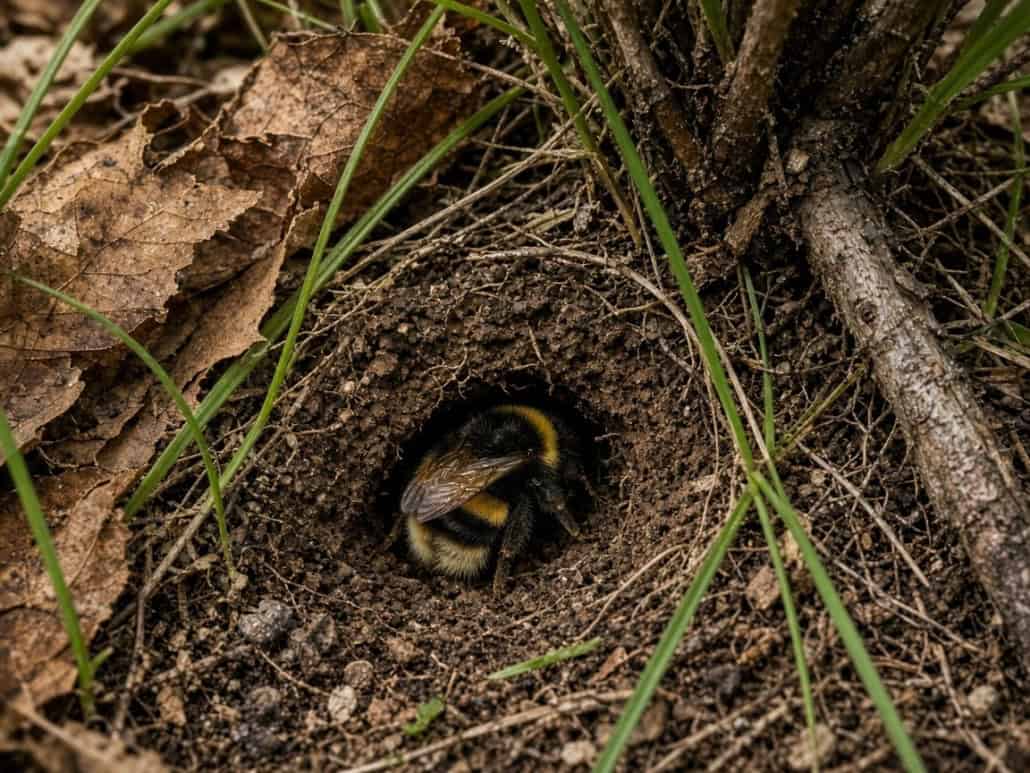
A fuzzy bee disappearing into a hole by the shrubs or under the deck is a classic sign of a bumblebee nest in the ground. Ohio State University Extension notes that bumblebees live in annual colonies formed in soil cavities, old rodent burrows or similar voids (OSU Extension HYG-2143). Most of the time, a ground nest can be left alone. When it’s in the wrong spot, it can be moved. Here’s how to decide.
What a Bumblebee Nest in the Ground Looks Like
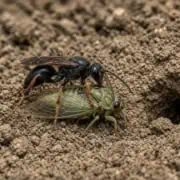
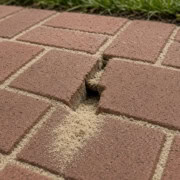
The Xerces Society says most bumblebees nest on or beneath the ground in an existing insulated cavity, often an abandoned rodent burrow. The common eastern bumblebee often builds its nest 1 to 3 feet underground, with a tunnel from the surface ranging from about 18 inches to 9 feet. From above, you’ll usually just see a hole, sometimes hidden under leaves, grass or a deck board, with bumblebees flying in and out.
Colonies are small compared with honeybees. Xerces notes they peak by midsummer at roughly 25 to 1,000 bees depending on species.
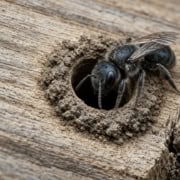
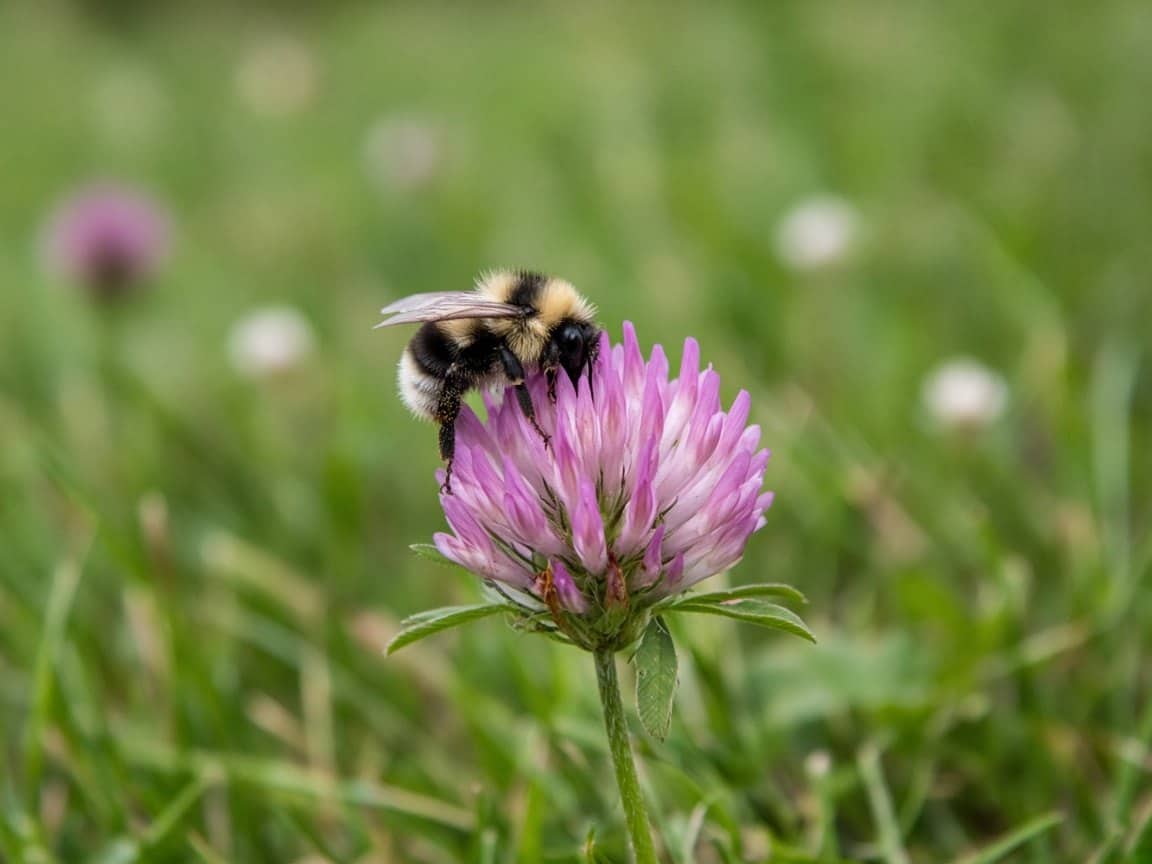
Not every bumblebee nests underground. Xerces notes some species nest aboveground in tree cavities, bird nests or exposed housing insulation, and that foragers can travel up to two miles for food. So a bumblebee on your flowers doesn’t necessarily mean a nest in your yard.
When You Can Leave It Alone
- It’s away from traffic. A nest at the edge of a bed or under a shrub is easy to work around.
- It’s late in the season. Xerces explains that the founding queen, workers and males die at the end of the cycle in late summer or fall. Only new queens survive, and they leave to overwinter elsewhere.
- It won’t be back. Xerces notes it is uncommon for bumblebees to reuse a nest site the next year, and WSU Extension notes they don’t reuse old nests (WSU Extension).
When to Call
- It’s in the mowing path or by a door. OSU notes bumblebee nests are occasionally hit by mowers, and irritated workers will aggressively pursue and sting repeatedly.
- Kids, pets or someone with an allergy use that area. WSU notes bumblebees don’t have barbed stingers and can sting more than once. See keeping kids and pets safe.
- You’re not sure it’s bumblebees. Yellowjackets nest in the ground too. See ground bees vs. yellowjackets and holes in the lawn.
How We Relocate a Ground Nest
We don’t spray bumblebees. When a nest has to move, we relocate the colony rather than kill it. Until then, mark the spot with a flag, mow around it, and keep pets away.
Frequently Asked Questions
Should I pour water or gas in the hole?
No. It’s dangerous, it harms a native pollinator, and it can send defending bees straight at you.
Which bumblebee is it?
Will they sting me?
See are bumblebees aggressive?
Bumblebees Nesting Where They Shouldn’t?
Bumblebees are always relocated, never exterminated. Call or text Northwest Ohio Wasp Removal at 419-614-6445, or use our contact page, and send a photo if you can. See humane bumblebee relocation and humane bee removal and relocation.