Keeping Kids and Pets Safe Around Wasp and Bee Nests
Kids and pets explore the yard at ground level, poke into bushes and grab whatever looks interesting. That makes them the most likely members of the family to run into a nest. Keeping kids and pets safe around wasp and bee nests comes down to three things: knowing where nests hide, teaching simple habits and knowing what to do if someone gets stung. Here is a practical guide for families in Northwest Ohio, Eastern Indiana and Southern Michigan.
Where Kids and Pets Find Nests
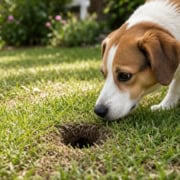
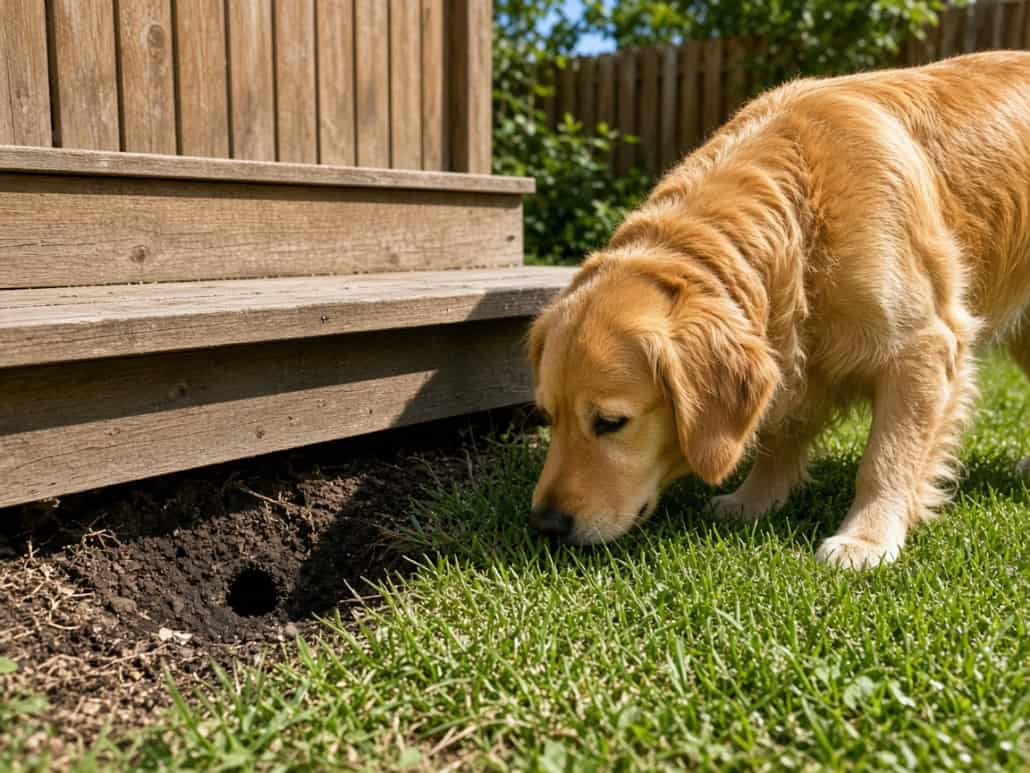
- In the ground: Yellowjacket nests in lawns, under steps and decks, and along fences. Dogs often sniff or dig right at the entrance. See yellowjacket ground nests.
- On play equipment: Under playset decks, inside slides and hollow tubing. See wasp nests in mailboxes, playsets and outdoor furniture.
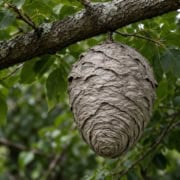
- In shrubs and low branches: Aerial yellowjacket and hornet nests at child height. See aerial yellowjacket nests.
- Around the deck and grill: Paper wasp nests under railings and grill lids.
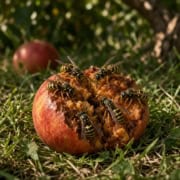
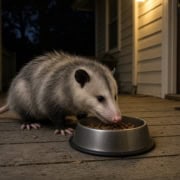
- Near food and trash: Late-summer yellowjackets around drinks, snacks and pet food bowls.

Habits to Teach Kids
- Do not swat. Stand still or walk away slowly. Swatting and crushing yellowjackets can make others more defensive.
- Tell an adult right away if you see a nest or lots of wasps going in and out of one spot.
- Never poke, throw things at or spray a nest.
- Wear shoes outside, especially in clover and grass where bees forage.
- Look before you drink from cans and juice boxes outdoors. Use cups with lids and straws.
- Check before you climb under playset decks and into slides and tunnels.
- Learn which insects are gentle. Honeybees and bumblebees on flowers are busy working and will not bother you if you leave them alone.
Keeping Pets Safe
- Watch for snapping and digging. Dogs that snap at flying insects can be stung in the mouth or throat, and dogs that dig at ground nests can be stung many times.
- Check the yard before letting pets out, especially in late summer when yellowjacket colonies are largest.
- Feed pets indoors or pick up bowls quickly. Wet food and spills attract yellowjackets.
- Keep pets away from marked nests until they are handled.
- Do not use essential oil sprays or pesticides where pets spend time without checking with your veterinarian first.
If a Child Is Stung
- Move away from the area calmly to avoid more stings.
- If a honeybee stinger is left in the skin, scrape it out with a fingernail or card. Wasps usually do not leave a stinger.
- Wash the area with soap and water and use a cold pack to reduce swelling.
- Watch closely for signs of an allergic reaction.
Call 911 right away for trouble breathing, wheezing, swelling of the face, lips or throat, hives spreading across the body, dizziness, vomiting or many stings at once. If your child has a prescribed epinephrine auto-injector, use it as directed. Our article on sting allergies and emergency removal has more detail. For any medical question, follow your doctor’s advice.
If a Pet Is Stung
- Move your pet away from the nest.
- Watch for swelling of the face or muzzle, hives, drooling, vomiting, weakness or trouble breathing.
- Call your veterinarian or an emergency animal clinic, especially for stings in the mouth or throat, multiple stings or any sign of a reaction.
Make the Yard Safe Around Wasp and Bee Nests
- Walk the yard every week or two in spring to catch starter nests. See spring wasp queens.
- Cap open pipes on playsets and fences.
- Keep trash closed and pick up fallen fruit.
- Seal gaps in the house during the off-season. See wasp prevention.
When to Call for Wasp or Bee Removal
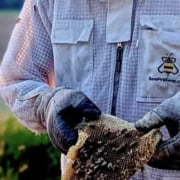
Any active wasp nest where kids play or pets roam is worth handling. Our pesticide-free approach means no chemical residue on lawns, play equipment or surfaces your family touches. Honeybees, bumblebees and native paper wasps are always humanely relocated, so you can protect your family and pollinators at the same time.
Frequently Asked Questions
Should I keep kids inside if there is a nest in the yard?
Keep them away from the nest area and mark it clearly until it is handled. The rest of the yard is usually fine.
Are bumblebees dangerous to kids?
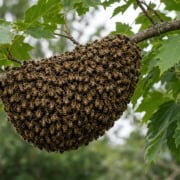
Bumblebees are gentle away from their nest. A nest near a play area should be relocated. See Ohio bumblebee species.
Found a Nest Near Your Kids or Pets?
Call or text Northwest Ohio Wasp Removal at 419-614-6445 or visit our contact page. We serve Northwest Ohio, Eastern Indiana and Southern Michigan.