
Cicada Killer Dog Safety: Are Pets at Risk?
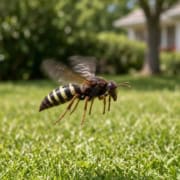
A big, slow-flying wasp low over the lawn is irresistible to a lot of dogs. If you have a cicada killer dog situation, with a pup chasing, pawing or snapping at the wasps, the good news is that cicada killers rarely sting. The bad news is that a dog grabbing one in its mouth is exactly the kind of disturbance that can lead to a sting. Here’s what to know.
The Real Cicada Killer Dog Risk
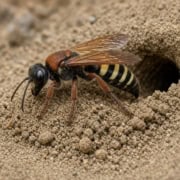
University of Kentucky Entomology says cicada killers aren’t considered stinging hazards unless they are directly disturbed. OSU Buckeye Yard and Garden onLine notes the females aren’t aggressive and stinging encounters are extremely rare. The ones that hover and chase are usually males, and OSU Extension ENT-0102 notes males are incapable of stinging.
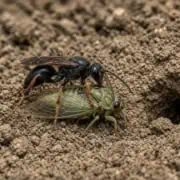
So a dog running around the yard is at low risk. A dog that digs at burrows or catches a female in its mouth is a different story. That’s when a sting on the nose, lip or mouth is possible.
Signs Your Dog Was Stung
VCA Animal Hospitals says to consider an insect sting if your dog suddenly paws at its face, chews at a foot, or starts to swell anywhere. Dogs stung in the mouth may have trouble eating. VCA also notes that allergic reactions usually occur within 20 minutes but can be delayed for hours, so close monitoring matters.
Get your dog to a veterinarian or emergency clinic right away for severe swelling around the head or neck, trouble breathing, or drooling from swelling in the throat. The Merck Veterinary Manual lists sudden diarrhea, heavy drooling, vomiting, collapse and seizures as signs of a severe allergic reaction. Call your vet before giving any medication.
Simple Yard Routines for Pet Owners
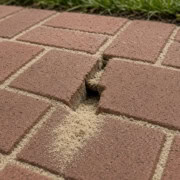
- Know where the burrows are. Look for finger-width holes with fans of loose soil in sunny, bare spots.
- Leash or redirect near burrows during July and August, when activity peaks.
- Don’t let the dog dig at holes. Digging is how a dog ends up face to face with a female.
- Change the spot. UKY notes mulch, shade or added irrigation can make cicada killers move elsewhere.
- Skip lawn insecticides. OSU does not recommend them for cicada killers, and they add another exposure for pets.
Make Sure It’s Not Yellowjackets
Yellowjacket ground nests are a much bigger risk to dogs because many wasps defend the nest and can sting repeatedly. See cicada killer vs. yellowjacket, keeping kids and pets safe around nests and multiple wasp stings.
Frequently Asked Questions
My dog ate a cicada killer. Now what?
Watch for swelling, pawing at the mouth, drooling or trouble breathing, and call your veterinarian if you see any of them.
Can male cicada killers hurt my dog?
Males can’t sting. See male cicada killers.
Cicada Killers Where Your Dog Plays?
We relocate cicada killers instead of putting poison into the soil where people and pets walk. Call or text Northwest Ohio Wasp Removal at 419-614-6445, or use our contact page, and send a photo of the wasps or burrows if you can. See cicada killer relocation for how it works.
Sources
- University of Kentucky Entomology: Cicada Killer Wasps
- Ohio State University Buckeye Yard and Garden onLine: Annual Cicadas Are Here (with cicada killer notes)
- Ohio State University Extension ENT-0102: European Hornets and Look-Alikes
- VCA Animal Hospitals: First Aid for Insect Stings in Dogs
- Merck Veterinary Manual: Anaphylactic Reactions in Dogs