
Why Beekeepers Never Exterminate Honeybees
When bees show up where you do not want them, the first instinct is often to search for “bee removal near me” and call whoever answers first. But who you call makes a big difference, both for your home and for the bees. Here is why beekeepers never exterminate honeybees, what a beekeeper does instead, and how to find the right help in Northwest Ohio, East Indiana, and Southern Michigan.
Honeybees Are Not Pests
Honeybees are among the most important pollinators in agriculture. Farms, orchards, and home gardens across Ohio, Indiana, and Michigan depend on pollinators for fruits, vegetables, and seed crops. Managed and wild honeybee colonies have faced serious losses from parasites, disease, pesticides, and habitat loss, and beekeepers work hard every year to keep colonies alive.
For a beekeeper, a honeybee colony that has moved into a wall or landed as a swarm is not a pest problem. It is a healthy colony in the wrong place.
What Happens When Honeybees Are Exterminated
Exterminating a honeybee colony, especially one inside a structure, rarely solves the problem:
- The comb and honey remain. A wall colony can contain a lot of wax and honey. Without living bees to maintain it, honey can melt, leak, and stain walls and ceilings.
- Secondary pests arrive. Abandoned comb attracts wax moths, small hive beetles, ants, and rodents.
- Odors develop from dead bees and brood.
- Future swarms return. Old comb gives off scents that attract new swarms to the same cavity.
- Contaminated honey. Pesticide-laced honey left in a wall can be carried off by robbing bees from other colonies.
- A colony is lost that could have been saved.
What Beekeepers Do Instead
A beekeeper’s goal is to remove the bees alive and leave nothing behind that would cause problems later.
For swarms
A swarm clustered on a branch, fence, or eave is collected into a hive box and relocated. Swarms are typically calm because they have no comb or brood to defend. Learn more in our guide to honeybee swarms in Ohio.
For established colonies in structures
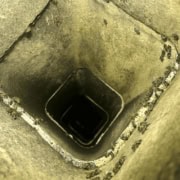
A colony living in a wall, ceiling, chimney, or soffit requires a live removal, often called a cut-out. The cavity is opened, the comb with brood is transferred into hive frames, the adult bees are collected, remaining honey and wax are cleaned out, and the colony is moved to an apiary. Our article on honeybees in your walls walks through the process.
For prevention
Beekeepers also help homeowners understand how bees got in and what to seal so a new swarm does not move into the same space.
Why Live Removal Is Better for Your Home, Too
Saving the bees is not just the kind choice. It is also the more complete solution for your property. When a beekeeper removes a colony alive, the comb, honey, and brood leave with the bees. There is no honey left to melt through the drywall in July, no wax to draw in moths and beetles, and far less scent left behind to lure in the next swarm. Many homeowners who first called because they were worried about the bees end up relieved that the removal also protected their walls and ceilings.
It is also safer. Beekeepers work with honeybees every day and understand how to keep a colony calm while it is being moved. That reduces the chances of bees ending up inside your living space during the job.
A Beekeeper-Owned Company
Northwest Ohio Wasp Removal and our sister company, The Mindful Beekeeper, are both owned by a beekeeper. That shapes everything we do:
- Honeybees, bumblebees, and native paper wasps are always humanely relocated, never exterminated.
- Our methods are pesticide-free. Nothing is sprayed in your home.
- We confirm the species first. Not every “bee” is a bee. If it turns out to be yellowjackets, the colony and nest are physically removed without pesticides.
For honeybee-specific removals, The Mindful Beekeeper specializes in humane honeybee rescue and relocation from structures and voids. Visit themindfulbeekeeper.com to see examples of live removals.
Bee Removal Near Me: How to Choose the Right Help
When you are comparing options, ask a few questions:
- Are you a beekeeper? Beekeepers understand colony behavior and have somewhere to put the bees.
- Will you remove the bees alive? The answer should be yes for honeybees.
- Will you remove the comb and honey? Removing only the bees, or only spraying, leaves the biggest problems behind.
- Do you use pesticides? For honeybees, the answer should be no.
- What happens to the bees afterward? A good answer includes a hive and an apiary.
Is It Really Honeybees?
Before you call anyone, a quick check can help:
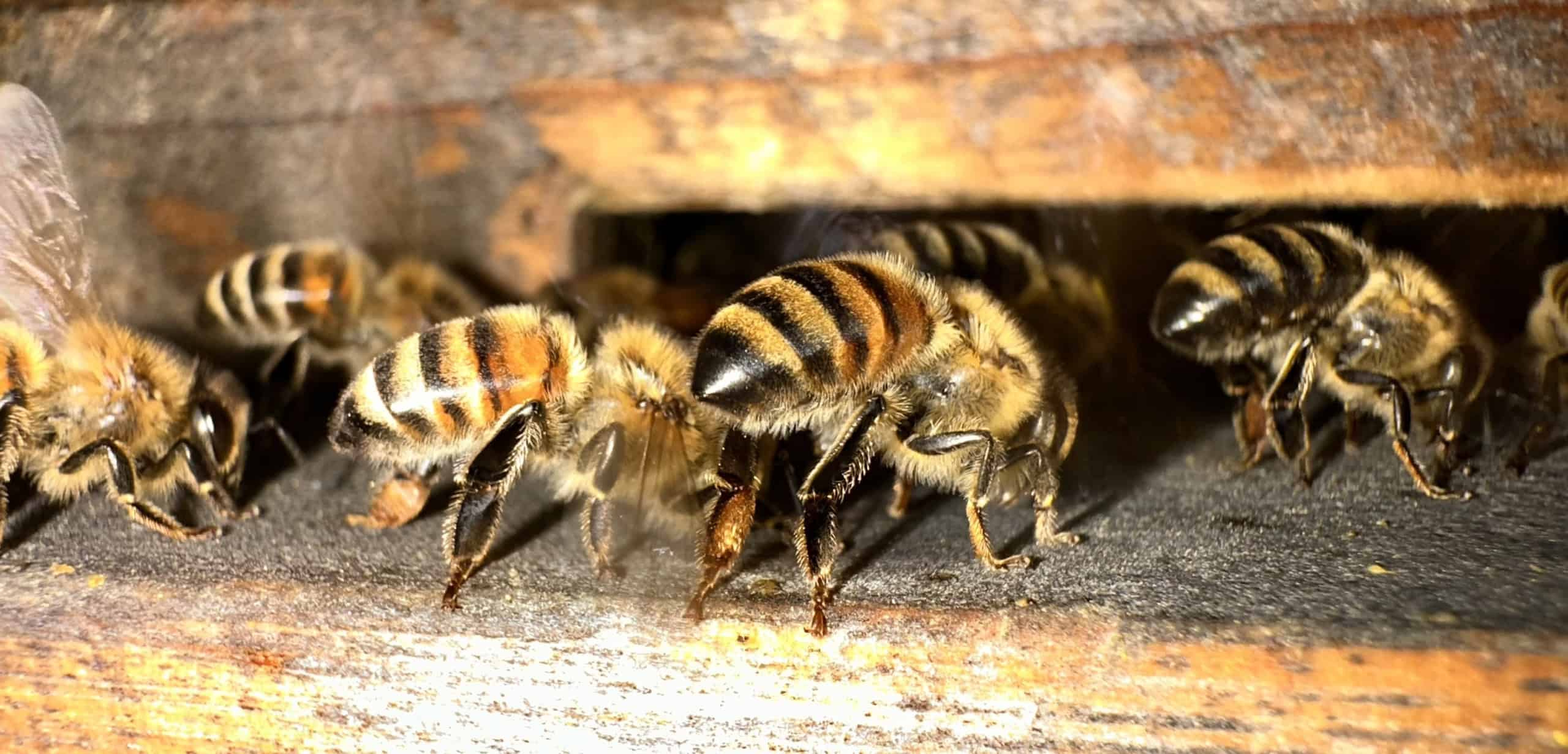
- Honeybees: Fuzzy, golden-brown, steady flight, active on warm days even in early spring and late fall.
- Bumblebees: Large, round, very fuzzy, small colonies, often in the ground or under decks.
- Yellowjackets: Smooth, shiny, bright yellow and black, fast, attracted to food and trash.
Our identification guide has photos and descriptions to help.
Frequently Asked Questions
Can’t an exterminator just spray the bees?
Spraying may kill the bees, but it leaves the comb, honey, and dead bees inside your structure, which often leads to leaks, odors, pests, and new swarms. A live removal by a beekeeper solves the problem and saves the colony.
What happens to the bees after removal?
They are placed in a hive and relocated to an apiary where they can continue living and pollinating.
Do you remove bumblebees too?
Yes, and they are always relocated. See our guide to bumblebee nests.
Where do you provide bee removal?
We serve Northwest Ohio, East Indiana, and Southern Michigan.
Looking for Bee Removal Near You?
Call a beekeeper, not an exterminator. Visit our contact page to reach Northwest Ohio Wasp Removal, or learn more about honeybee rescue at The Mindful Beekeeper.