
Are Bumblebees Aggressive? Bumblebee Behavior Around People
Bumblebees are big, loud and fuzzy, and when one buzzes past your ear it’s natural to flinch. So are bumblebees aggressive? Away from their nest, not really. Washington State University Extension calls bumblebees among the most docile of bees when foraging, but notes they will aggressively defend their nests if necessary (WSU Extension). Here’s how they behave around people and what changes near a nest.
Are Bumblebees Aggressive on Flowers?
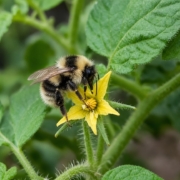
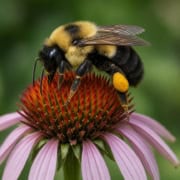
A bumblebee working your coneflowers or clover is collecting nectar and pollen. OSU Extension notes bumblebees are important pollinators of certain clovers because of their long tongues (OSU Extension HYG-2143). Bumblebees can also fly in colder and wetter weather than honeybees, WSU notes, which is why you may see them out on cool spring mornings. A foraging bumblebee generally ignores people unless it’s grabbed, stepped on or trapped against skin.
Near the Nest Is Different
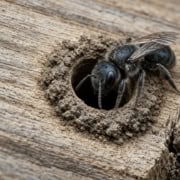
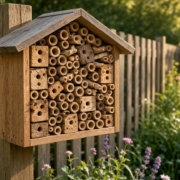
OSU notes that social bumblebees will defend their nests. Nests are occasionally hit by mowers, and the irritated workers will aggressively pursue and sting repeatedly. Unlike honeybees, WSU says, bumblebees don’t have barbed stingers, so they can sting more than once. Most nests are in the ground or in protected spots such as old rodent burrows, cavities in wood, dry grass or leaf litter, or vacant birdhouses. See bumblebee nest in the ground.

Behavior Changes Through the Season
The Xerces Society describes an annual cycle. In spring, a mated queen emerges from her overwintering spot and spends time searching for a nest site, which is why you may see a single large bumblebee flying low and slow over the ground or along a foundation. Once her first workers emerge, they take over foraging and nest defense while she stays inside laying eggs. By late summer, the colony produces males and new queens. The old queen, workers and males die off in late summer or fall, and only the new queens survive to overwinter (Xerces Society).
How to Stay on Their Good Side
- Don’t swat or grab. Let a bumblebee fly on. If one lands on you, wait or gently brush it away.
- Watch where you mow. Look for bees flying in and out of one spot before you start. See holes in the lawn.
- Give nests space. Flag the spot and route foot traffic around it.
- Catch strays indoors. WSU suggests trapping a bee in a jar against a window, sliding a card underneath and releasing it outside.
- Know the allergy signs. WSU advises seeking medical help immediately for a known sting allergy or signs such as swelling of the lips, tongue or mouth, or difficulty breathing. See sting allergies.
Frequently Asked Questions
How do I know it is a bumblebee?
Several large bees look similar. See Ohio bumblebee species.
Is it a bumblebee or a honeybee?
Bumblebees are larger, rounder and fuzzier. See why beekeepers never exterminate honeybees.
Do bumblebees come back to the same nest?
Rarely. WSU notes they don’t reuse old nests, and only new queens survive the winter.
Bumblebees Too Close for Comfort?
Bumblebees are always relocated, never exterminated. Call or text Northwest Ohio Wasp Removal at 419-614-6445, or use our contact page, and send a photo if you can. See humane bumblebee relocation and humane bee removal and relocation.