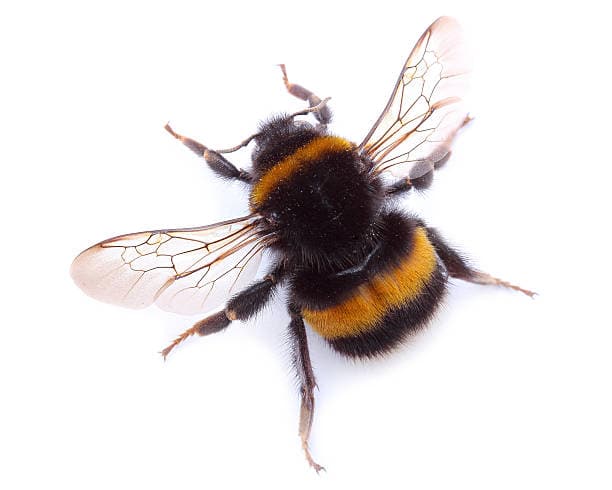
Buzz Pollination: Why Bumblebees Matter for Ohio Tomatoes and Blueberries
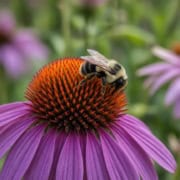
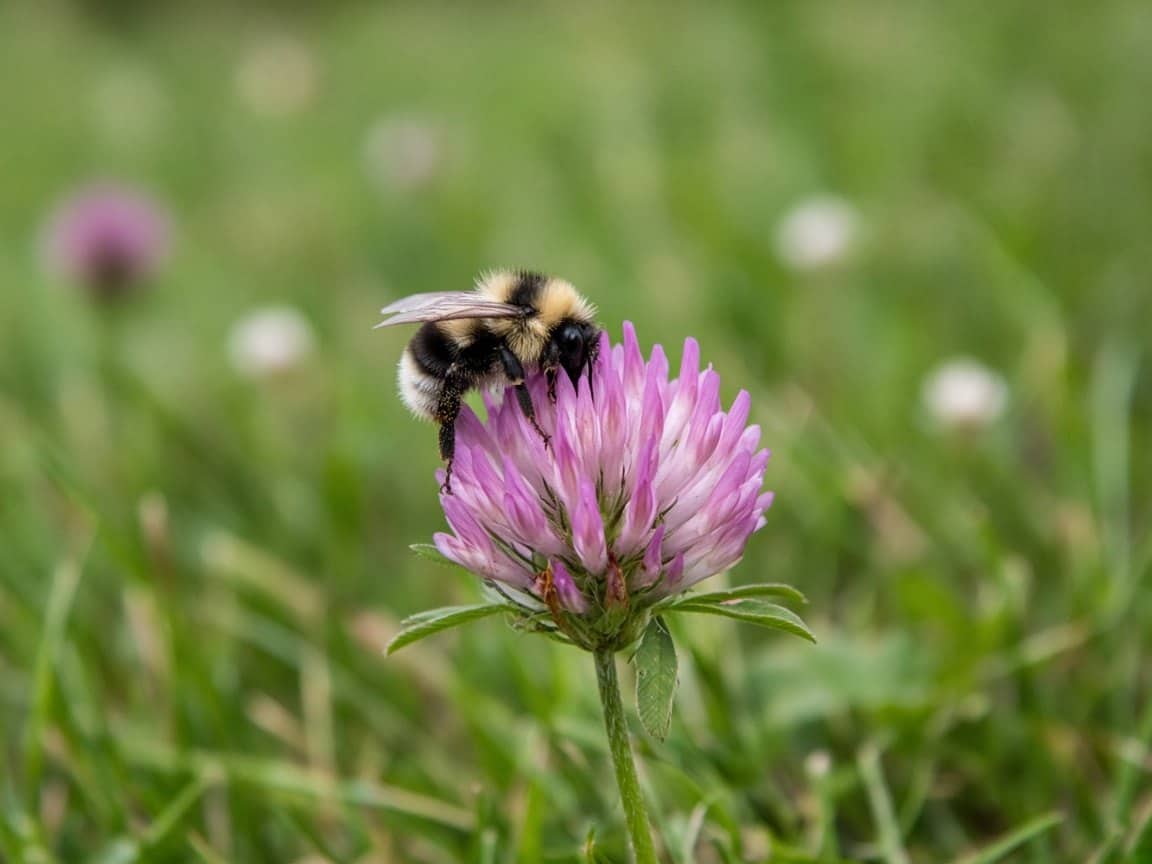
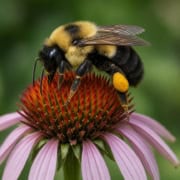
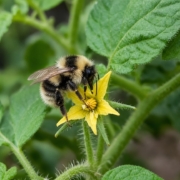
If you’ve stood near a tomato plant in July and heard a bumblebee give off a sudden, louder buzz, you’ve heard buzz pollination. The USDA Forest Service explains that the bee grabs the flower and rapidly vibrates its flight muscles. That shakes the whole flower, and pollen streams out of small openings in the anthers. It’s one of the best reasons to relocate a bumblebee nest instead of killing it.
How Buzz Pollination Works
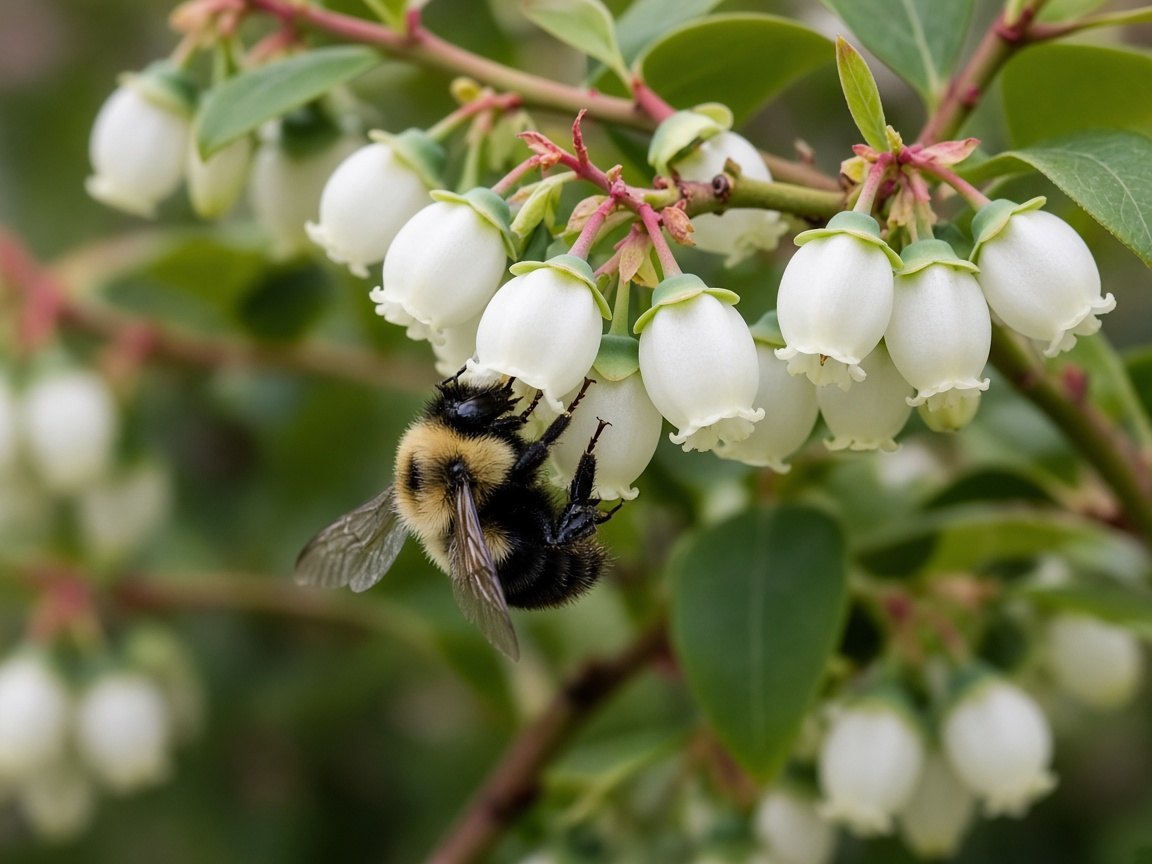
Some flowers don’t leave their pollen out in the open. Penn State Extension notes that blueberries and tomatoes keep their pollen hidden inside tube-shaped anthers, so it has to be buzzed out. The bee holds on to the blossom and vibrates at the right frequency, and the pollen falls onto her body.
This isn’t a rare trick of a few plants. A 2016 study in Apidologie by Switzer and others (2016) notes that about 8% of flowering plants, around 20,000 species, have these pore-like anthers. The same study found that bumblebees change their vibration frequency depending on the plant they’re working.
Honeybees Can’t Do It
The Forest Service guide states it plainly: honeybees do not buzz pollinate. That doesn’t make honeybees less valuable. It just means some plants depend on other bees. The USDA Forest Service lists tomatoes, cranberries, blueberries, eggplants and their relatives as plants bumblebees buzz pollinate. Tomatoes produce pollen but no nectar, and greenhouse growers bring in bumblebees, most often the common eastern bumblebee, to pollinate them.
The USDA National Agroforestry Center adds that tomatoes, cranberries and blueberries produce larger and more abundant fruit when they’re buzz pollinated. It also notes that bumblebees and mason bees stay active in weather that’s too cold or wet for honeybees, which helps on cool spring mornings when fruit plants bloom.
What Buzz Pollination Means for Your Garden
- Bumblebees on your tomatoes are working, not hunting. A foraging bumblebee is focused on flowers. See are bumblebees aggressive?
- Other native bees help too. Ohio has many native bees besides bumblebees. See sweat bees and mining bees and mason bees in Ohio.
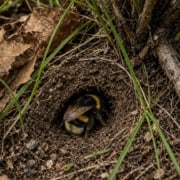
- A nest in the yard isn’t automatically a problem. If it’s out of the way, it can often be left until fall. See bumblebee nest in the ground.
- Know which bumblebee you have. See Ohio bumblebee species.
Why We Relocate Bumblebees
When a bumblebee nest is under a step, in the mowing path or next to a door, it may have to move. We relocate it instead of spraying it. The colony keeps working, and the garden keeps its buzz pollinators.
Frequently Asked Questions
Is that loud buzz a warning?
Usually not. A short, louder buzz while a bee clings to a tomato or blueberry flower is the sound of the bee vibrating pollen loose.
Do honeybees help tomatoes at all?
Honeybees don’t buzz pollinate, so researchers describe them as poor pollinators of tomatoes, peppers, blueberries and cranberries.
Can I attract more bumblebees?
Plant a mix of flowers that bloom from spring to fall and avoid spraying open blooms. Bumblebees also need undisturbed nest sites.
Bumblebee Nest Where It Can’t Stay?
Honeybees, bumblebees and native paper wasps are always relocated, never exterminated. Call or text Northwest Ohio Wasp Removal at 419-614-6445, or use our contact page, and send a photo if you can. See humane bumblebee relocation and wasp and hornet nest removal.