Do Bee Hotels Actually Help Native Bees? What a Bee Hotel Can and Can’t Do
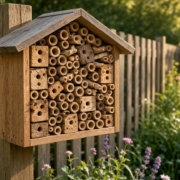
A bee hotel is a block or bundle of small tubes meant to give cavity-nesting bees a place to raise their young. They’re sold everywhere now, and many gardeners love watching them fill up. But do they actually help native bees? Research says the answer is “sometimes,” and a lot depends on how the hotel is built and cared for.
What the Research Found About Bee Hotels
A three-year study of about 600 bee hotels in Toronto by MacIvor and Packer (2015) counted more than 27,000 bees and wasps. Native wasps were the most common occupants, using almost three-quarters of the hotels each year. Introduced bees showed up at 32.9% of sites, and native bees were parasitized more often than introduced ones. The authors concluded that hotels appeared to boost wasps more than native bees and called for more research.
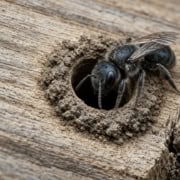
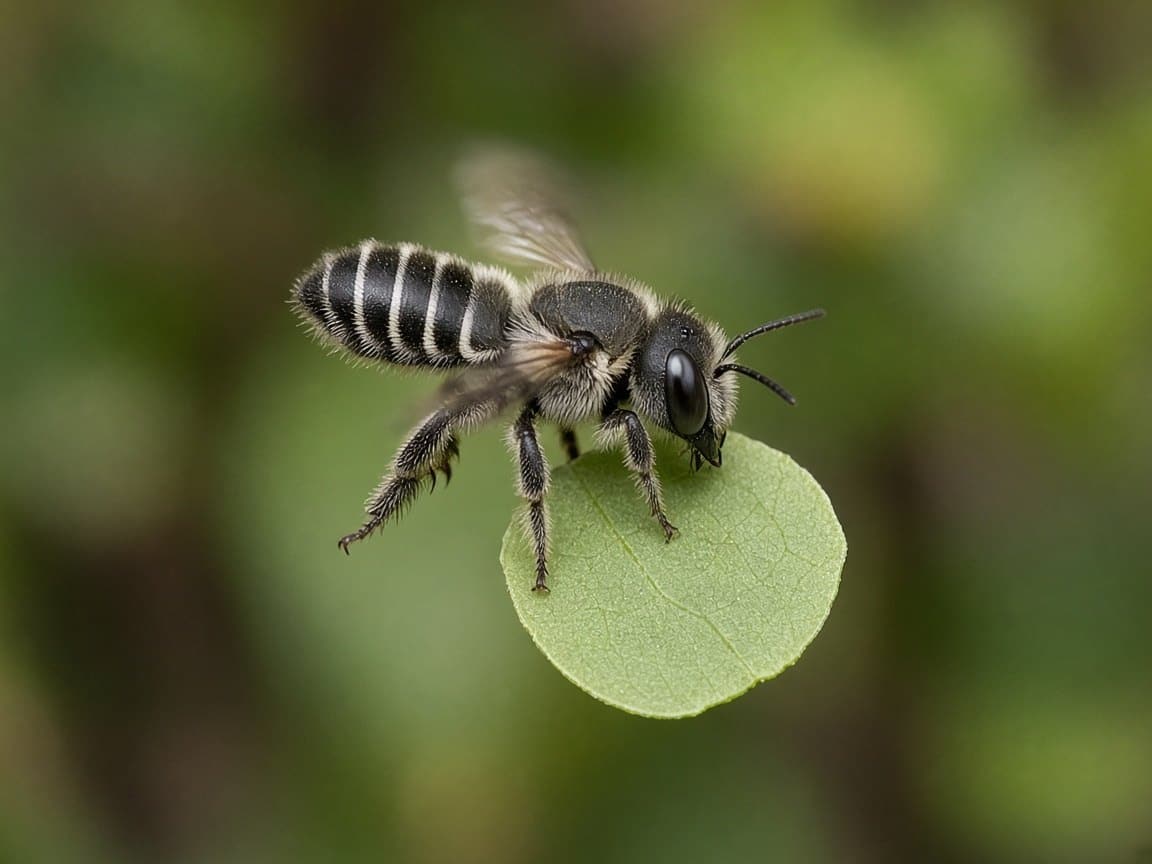
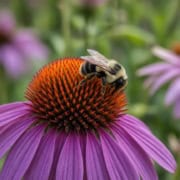
Most native bees don’t use hotels at all, because they nest in the ground. A bee hotel helps a small group of cavity nesters, mainly mason bees and leafcutter bees. See mason bees in Ohio.

How to Set Up a Bee Hotel That Helps
UNH Extension gives practical guidelines:
- Use a mix of hole sizes from about 1/8 to 1/2 inch. Blue orchard bees prefer about 5/16 inch.
- Close the back of each hole and keep the edges smooth.
- Match depth to width. Narrow holes should be 3 to 5 inches deep.
- Face it east or southeast for morning sun, with a roof or downward angle against rain.
- Skip pressure-treated wood and mount the house a few feet off the ground.
Oregon State University Extension adds that solid wood blocks, bamboo and plastic tubes aren’t recommended because they hold moisture and can’t be opened for cleaning. Parasites and mold build up and kill many bees. Paper-lined tubes or laminated blocks that open let you clean cocoons in fall.
Wasps in Your Bee Hotel
If wasps move in, that matches what the Toronto researchers saw. Wasps that nest in tubes are solitary cavity nesters, and OSU Extension HYG-2143 notes most solitary bees and wasps only sting if you try to capture or restrain them. Yellowjackets and paper wasps are different: they build paper nests and live in colonies. If you’re seeing paper nests or a busy hole nearby, see identify a wasp nest by shape.
Frequently Asked Questions
Do I have to clean a bee hotel?
Yes, if you want it to keep helping. Replace or open tubes and clean them so mites, mold and parasites don’t build up year after year.
Is a bee hotel better than flowers?
Flowers come first. Without nearby pollen and nectar, bees won’t use the hotel.
Will bumblebees use one?
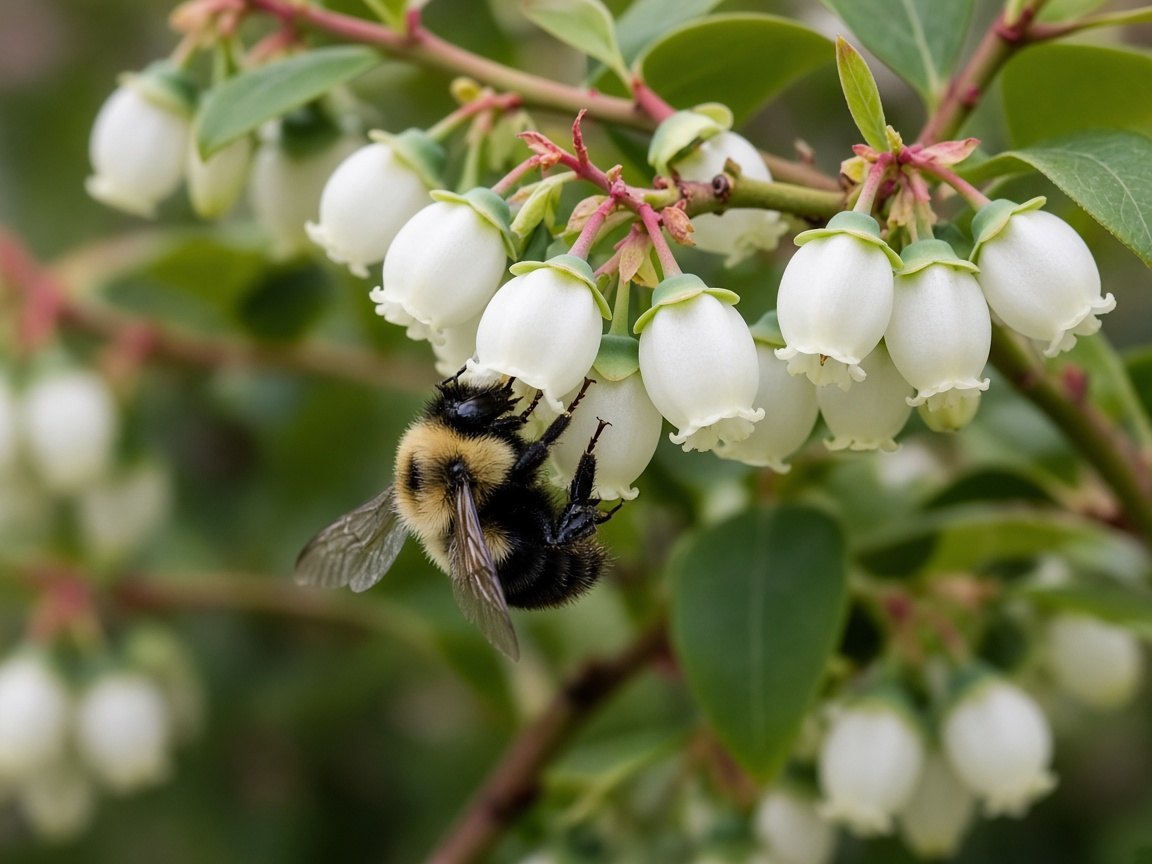
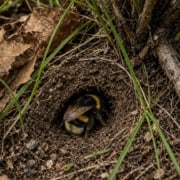
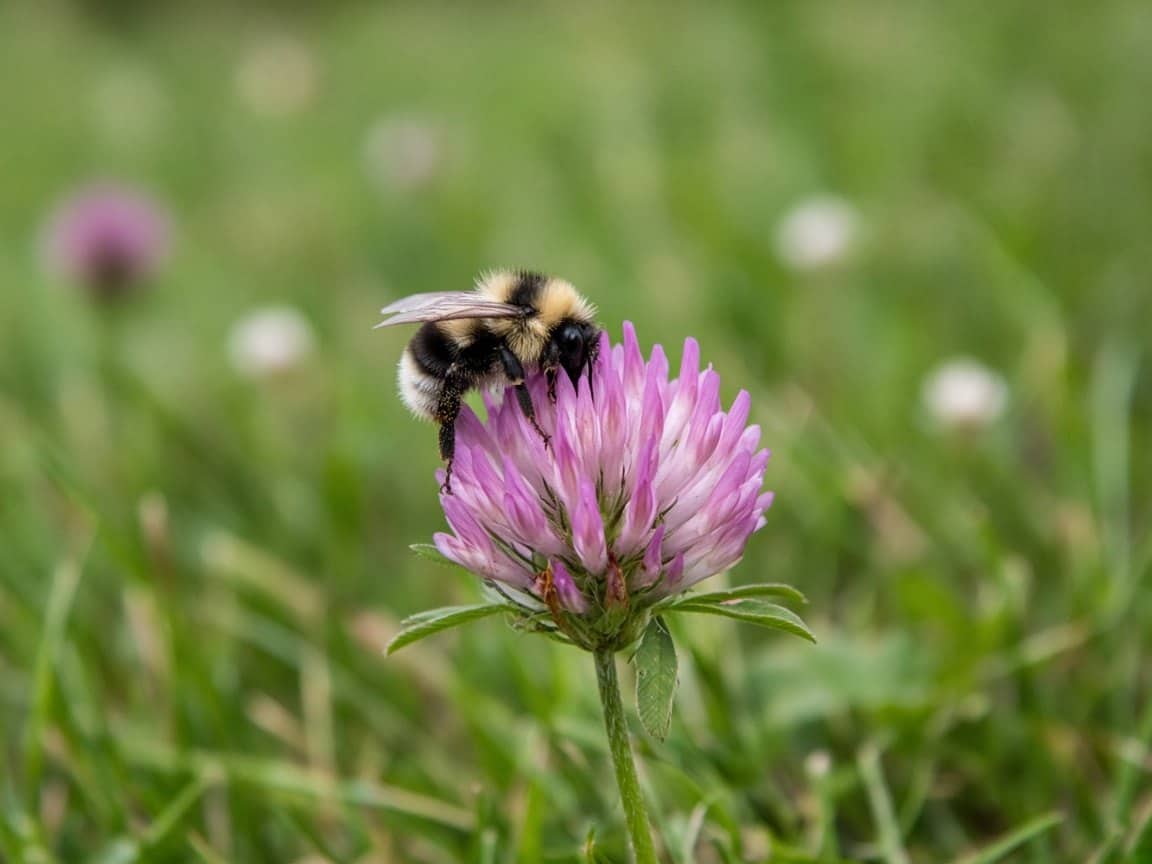
Generally no. Bumblebees nest in cavities like old rodent burrows. See bumblebee nest in the ground.
Wasps or Bees Nesting Somewhere Else?
Honeybees, bumblebees and native paper wasps are always relocated, never exterminated. Call or text Northwest Ohio Wasp Removal at 419-614-6445, or use our contact page, and send a photo if you can. See humane bumblebee relocation and wasp and hornet nest removal.
Sources
- MacIvor and Packer, ‘Bee Hotels’ as Tools for Native Pollinator Conservation, PLOS ONE, 2015
- University of New Hampshire Extension: Bee Nest Box Guidelines
- Oregon State University Extension EM 9130: Nurturing Mason Bees in Your Backyard
- Ohio State University Extension HYG-2143: Bumble Bees and Solitary Bees and Wasps in Urban Landscapes