
Yellowjackets in Fall: The Porch Decor and Treats That Draw Them In
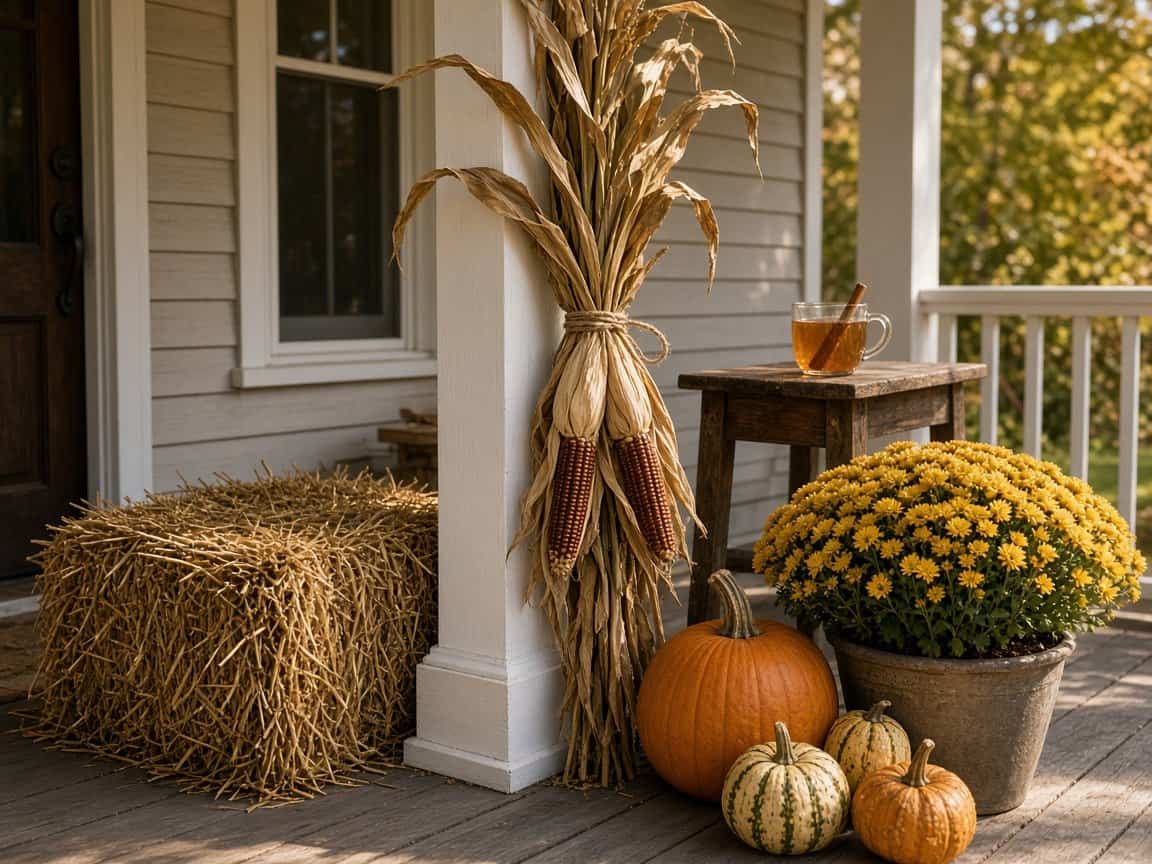
Fall porches in Northwest Ohio look great: a straw bale, a bundle of corn stalks, mums and a row of pumpkins. Then the uninvited guests show up. Yellowjackets in fall behave differently than they do in June, and some of our favorite seasonal traditions put the things they want most right at the front door. Here is what is going on and how to keep the porch pleasant through Halloween and Thanksgiving.
Why Yellowjackets in Fall Want Sugar
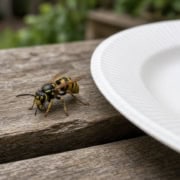
For most of the summer, yellowjacket workers hunt insects and meat to feed the larvae back at the nest. Late in the season that changes. Ohio State University Extension explains that in late summer, from about August through October, yellowjacket food preferences change from proteins to sweets, and the wasps become persistent, unwelcome guests at picnics and outdoor events (OSU Extension, HYG-2075).
OSU’s yard and garden team adds that once a colony starts raising new queens and males, those “freeloaders” need sweets, so workers go searching for foods that provide an energy boost such as soda, donuts and funnel cakes (OSU BYGL). Colonies are also at their biggest at this time of year, so there are a lot of foragers out looking.
Fall Decor and Treats That Draw Yellowjackets
Carved and Softening Pumpkins
OSU lists fruit among the things that attract large numbers of yellowjackets, and a pumpkin is a fruit. A whole, uncut pumpkin keeps its sugar sealed inside. Once it is carved, or once it cracks or goes soft on the bottom, the exposed flesh becomes an easy sugar source sitting right next to your door.
Cider, Caramel Apples and Candy
Fall gatherings on the porch usually mean cider, caramel apples and bowls of candy. OSU Extension specifically names sweet beverages and fruit drinks, and recommends keeping drinks in covered cups or containers with lids. It also suggests checking open cans before you sip, since a wasp may have crawled inside looking for sugar.
Trash Cans by the Door
Party trash full of cups and wrappers often ends up by the porch or garage. OSU’s entomologists say the most effective way to manage yellowjackets and bald-faced hornets at outdoor gatherings is to stay diligent with trash collection, and they describe an overflowing trash can as a flashing neon “eat here” sign.
What About Hay Bales and Corn Stalks?
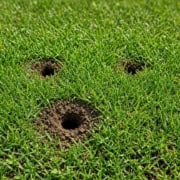
Straw bales and dried corn stalks are not food, so they are not what draws yellowjackets in. The bigger concern is where decor sits. OSU notes that yellowjacket nests are typically built in protected cavities such as animal burrows and thick mulch piles. Watch for wasps flying in and out of one spot before you set a bale on the lawn or tuck decor into a landscape bed, and do not stack anything over an active hole.
Simple Ways to Keep Fall Decor Sting-Free
- Use uncarved pumpkins and gourds near the door, and move carved jack-o’-lanterns to the compost pile soon after Halloween.
- Toss pumpkins as soon as they soften or start to leak.
- Serve drinks with lids, and keep candy bowls covered between trick-or-treaters.
- Keep trash cans closed and away from entrances, and rinse sticky spills off the porch.
- Go light on scents. OSU notes that flowery clothing and perfume can attract yellowjackets.
- Watch where kids sit and play. Our guide to keeping kids and pets safe around wasp and bee nests has more tips.
When the Problem Is a Nest, Not the Decor
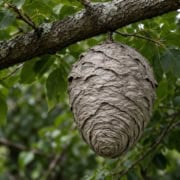
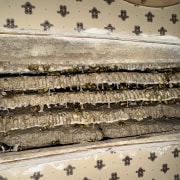
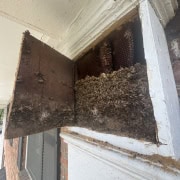
A handful of yellowjackets on a pumpkin is a nuisance. A steady stream of them flying to the same spot every day usually means there is a nest close by: in the ground near the steps, behind siding, under the porch or in a soffit. Removing the food helps, but it will not move a nest. If you are seeing that steady traffic, our article on yellowjacket ground nests explains what you are likely dealing with, and our wasp and hornet nest removal service can take care of it.
Our service is pesticide-free. Yellowjacket nests are physically removed, and if the insects turn out to be honeybees, bumblebees or native paper wasps, they are relocated instead.
Hosting a Fall Party Outdoors
Bonfires, hayrides and Halloween parties keep people outside well into the season. A little planning keeps yellowjackets from crashing them:
- Set the food table away from the door and away from trash cans, so foragers that find one do not end up at the other.
- Put out food just before serving and cover it again as soon as people are done.
- Give each guest a lidded cup or a marked bottle, so nobody picks up a drink that sat open.
- Empty and close trash bags often during the event, not just at the end. OSU’s advice to stay diligent with trash collection matters most at gatherings.
- Walk the yard beforehand. If you see a steady line of wasps going into one hole or gap, keep guests away from it and give us a call.
Frequently Asked Questions
Do yellowjackets go away after the first frost?
OSU Extension explains that the workers, males and old queen die at the onset of cold temperatures, and only new queens overwinter. Until it gets truly cold, though, foragers stay active on mild afternoons.
Are those bees on my pumpkin, or yellowjackets?
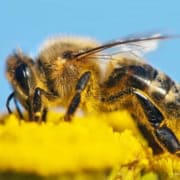
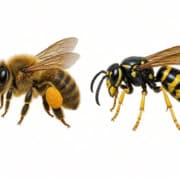
OSU notes that yellowjacket workers are often confused with honeybees, but honeybees are covered with dense hair, while yellowjackets are shiny and mostly hairless with bright yellow and black markings. Our guide to identifying wasps, bees and hornets can help.
Will a wasp trap on the porch fix the problem?
Traps catch foragers but do not remove the nest. Read more in fake nests, traps and peppermint oil.
Yellowjackets Hanging Around Your Porch?
Call or text Northwest Ohio Wasp Removal at 419-614-6445 or visit our contact page. A photo of where they are flying helps us tell you if there is a nest nearby. We serve Northwest Ohio, Eastern Indiana and Southern Michigan.