Myth or Fact: Does Killing a Wasp Attract Others?
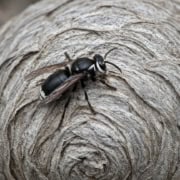
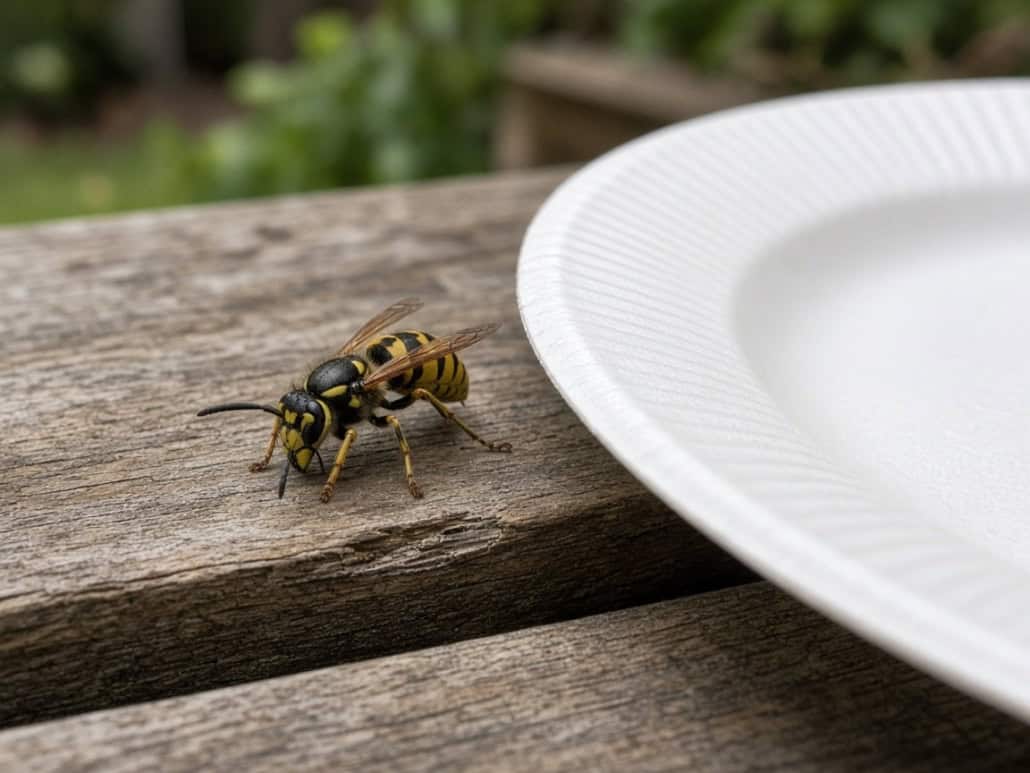
You swat a wasp on the deck and, a minute later, there seem to be three more. Coincidence? Partly. The honest answer to does killing a wasp attract others is “it can,” at least for yellowjackets. Ohio State University Extension warns against squashing a yellowjacket because it releases an alarm pheromone that alerts other yellowjackets to its location (OSU Extension HYG-2075). Here is what that means in real life, and why where you are matters more than the swat itself.
Does Killing a Wasp Attract Others? What the Science Says
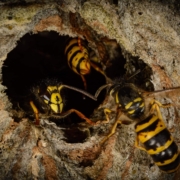
Social wasps such as yellowjackets live in colonies and defend them as a group. An alarm pheromone is a chemical signal that tells nestmates something is wrong. OSU’s advice is short: avoid squashing a yellowjacket, and never swat at one flying near you.
The University of California IPM program adds that wasps become very defensive when their nest is disturbed, and that yellowjackets are more likely to sting if they are disturbed while foraging (UC IPM). So the swat is a problem twice over: the wasp you miss may sting, and the one you crush may leave a chemical alarm behind.
Why Distance From the Nest Matters
An alarm signal only works on wasps close enough to pick it up. A single forager at your picnic table may be some distance from its colony. Near the nest it is a different story: there are many more wasps within range, and they are already primed to defend.
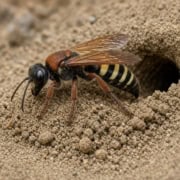
- Away from the nest: a yellowjacket at your soda can is usually hunting for sugar or protein. See what attracts wasps to your yard.
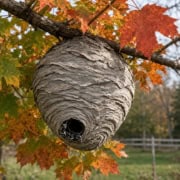
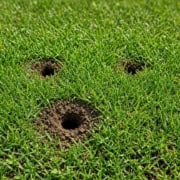
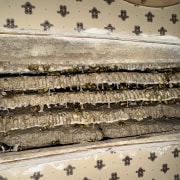
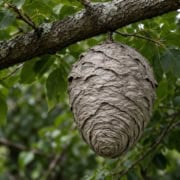
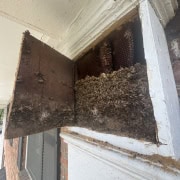
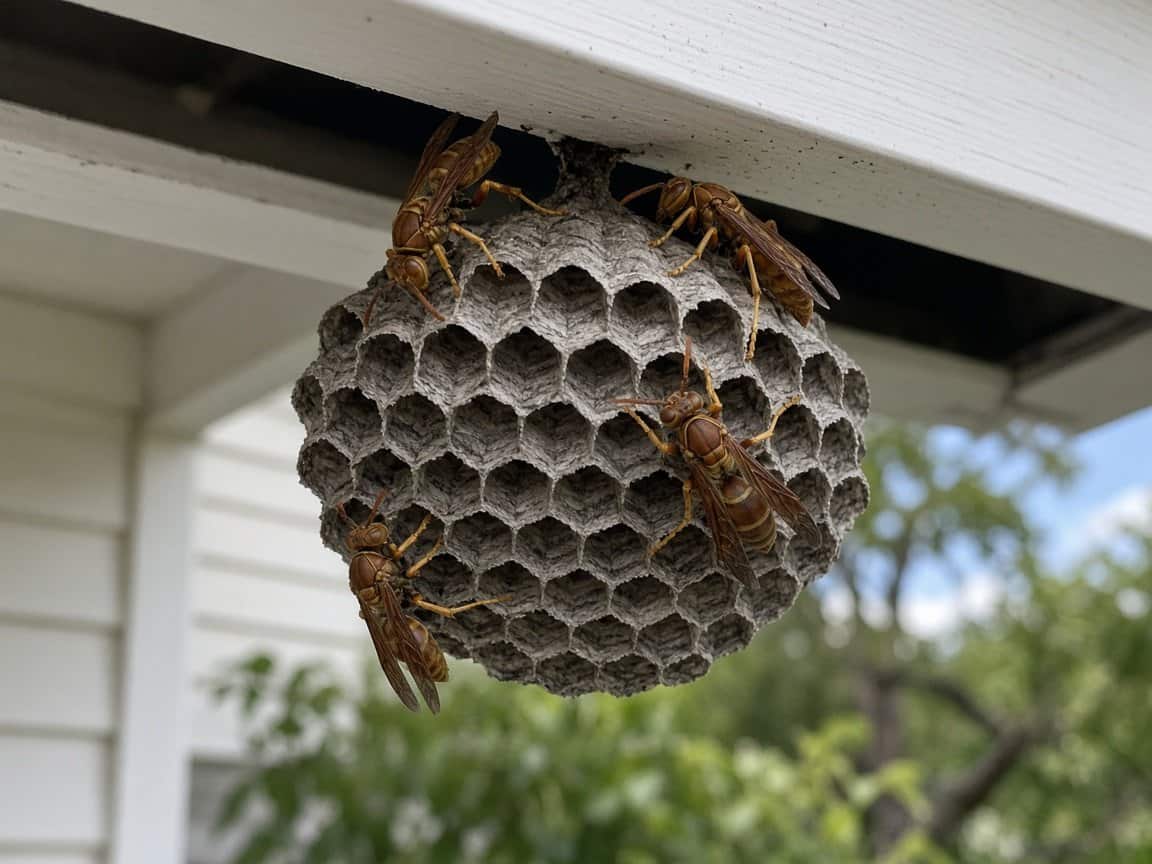
- Near the nest: wasps flying in and out of one spot in the lawn, wall or shrub mean a colony is close. That is where a swat, a mower or a kick can bring out a crowd. See do wasps chase you?
Why It Seems Like More Wasps Show Up
Sometimes the “others” were coming anyway. OSU explains that in late summer, roughly August through October, yellowjacket food preferences change from proteins to sweets. That’s when they become persistent guests at picnics, scavenging for sugary foods and drinks, and large numbers may be drawn to garbage cans, sweet beverages and fruit. More wasps after a swat may simply be more foragers finding the same soda.
What to Do Instead of Swatting
- Stay still or move away slowly. UC IPM says that if a wasp lands on you, don’t swat it or run. Wait for it to leave, or gently brush it away.
- If you’ve disturbed a nest, leave. Clemson Extension advises walking away while covering your face with your hands (Clemson HGIC). OSU says that if you’ve disturbed an entire nest, protect your face and run.
- Remove the reason they’re there. Lids on drinks, covered food and tight trash lids do more than any swat. See how to avoid wasp stings.
Frequently Asked Questions
Do honeybees have an alarm scent too?
Yes. The UC Davis California Master Beekeeper Program notes that a banana-like odor can mimic a honey bee alarm pheromone. See can bees smell fear?
Is it the same for paper wasps and hornets?
The OSU warning is about yellowjackets. All social wasps defend their nests, though, so the safe habit is the same for every species: don’t crush wasps near a nest. See yellowjacket vs. paper wasp.
Does spraying one wasp help?
Spraying near a nest can stir up the colony. See DIY wasp spray mistakes.
Why are there more wasps in late summer?
Colonies are at their largest then. See why wasps get aggressive in late summer and fall.
What if someone is stung many times?
See multiple wasp stings: when it’s an emergency.
Keep Running Into Wasps in the Same Spot?
That usually means a nest nearby. Call or text Northwest Ohio Wasp Removal at 419-614-6445, or use our contact page. Our wasp and hornet nest removal uses no pesticides, and native paper wasps are always relocated.