
Africanized ‘Killer Bees’: Are There Africanized Bees in Ohio?
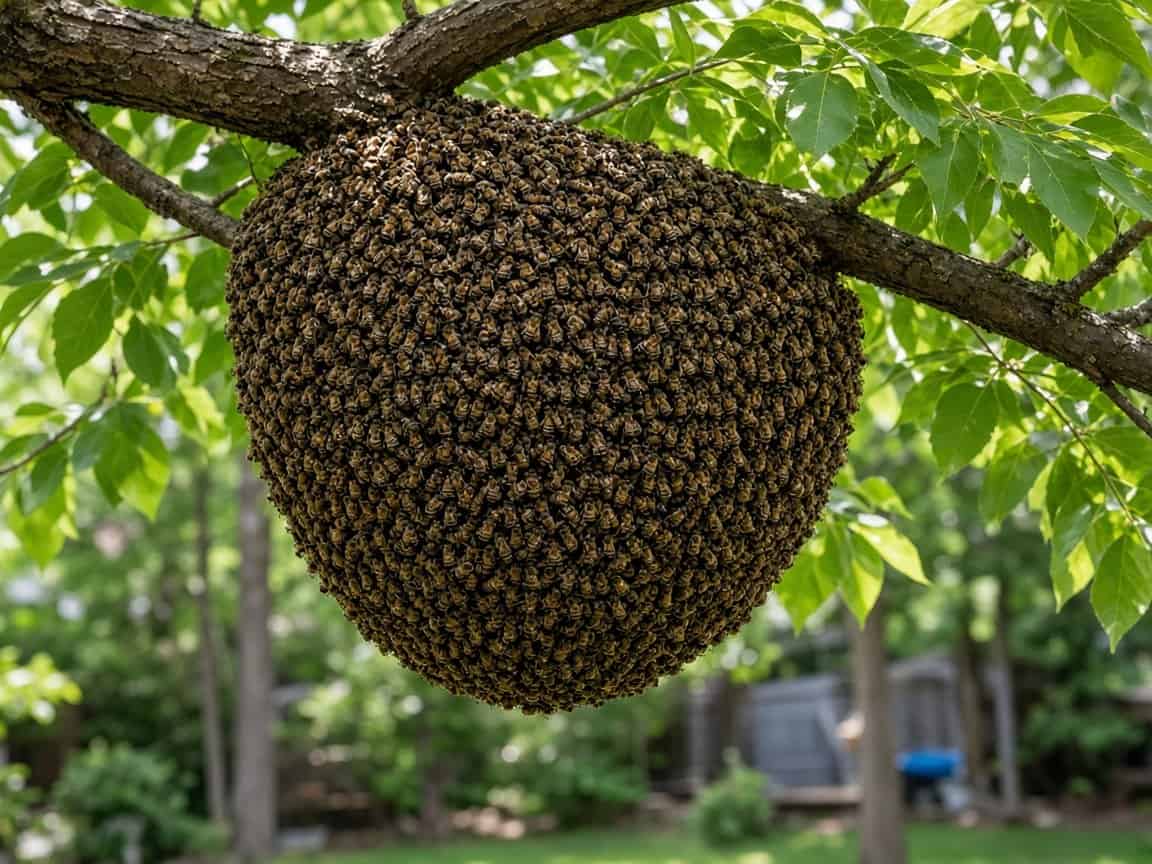
The phrase “killer bees” sticks with people, and every so often we get a call from someone worried a defensive colony means Africanized bees. So are there Africanized bees in Ohio? Based on the USDA range data we can point to, Ohio has not been on the list. Here’s what that data actually says, how old it is, and why a defensive colony in Ohio is usually a different story.
Africanized Bees in Ohio: What the USDA Data Says
In 2007, the USDA Agricultural Research Service published an updated map of Africanized honeybee spread. As of that update, Africanized bees had been found in nine states. According to USDA’s AgResearch magazine, they spread into Texas, Arizona, New Mexico, California and Nevada, in that order, between October 1990 and 2005, and then into Florida, Oklahoma, Arkansas and Louisiana after fall 2005. Ohio was not among them.
ARS noted that some finds, such as those in South Florida, were not connected to the main spread and were most likely due to human-assisted transport. That’s a reminder that range maps describe where bees have been confirmed as of a date, not a permanent boundary. For the current picture, check with USDA or the Ohio Department of Agriculture.
Why Climate Matters
The same AgResearch article notes that European honeybees are better adapted to temperate climates, while African honeybees are more suited to the tropics. Ohio winters are long and cold.
The name itself reflects that question. AgResearch explains that “Africanized honey bee” came about because it was long believed African bees would hybridize with European honeybees already in the wild, especially in temperate areas, where African bees were expected to lose their tropical advantages.

You Can’t Tell by Looking
The UC Davis California Master Beekeeper Program says Africanized genetics can only be confirmed by lab analysis. UF/IFAS makes the same point: Africanized and European bees can’t be told apart without lab testing (UF/IFAS IN771). The California program also prefers the term “defensive honey bees” for colonies that behave aggressively.
So Why Is This Colony So Defensive?
The California program lists genetics, colony health, weather and season, scents, dark clothing, movement and vibration as factors. Colonies tend to be more defensive in fall. USDA ARS warns that mowers, trimmers and other equipment alarm bees (USDA ARS). See can bees smell fear?
Whatever the cause, keep people and pets away, don’t spray or seal the entrance, and call a beekeeper.
Frequently Asked Questions
Is it honeybees at all?
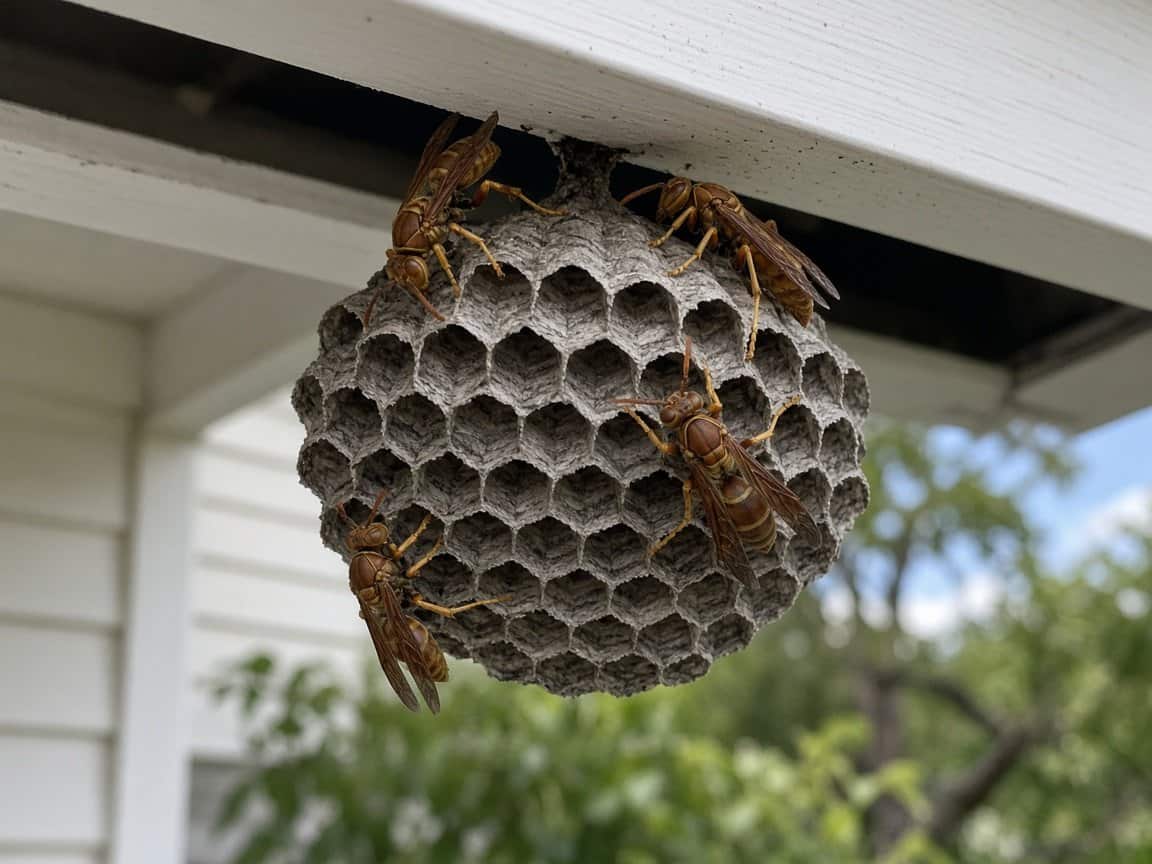
Many “killer bee” calls turn out to be yellowjackets. See honeybee vs. yellowjacket and giant hornets in Ohio.
What if someone is stung many times?
See multiple stings: when it’s an emergency.
Dealing With a Defensive Colony?
Honeybees are always relocated, never exterminated. Rescued colonies go to The Mindful Beekeeper, pass through an inspection station, and then join Apiary #1 in Loudon Township. Honeybee relocation from walls and other structures is being scheduled for Spring 2027. Call or text 419-614-6445 or use our contact page to tell us what you are seeing, and read about humane honeybee removal and relocation.
Sources
- USDA ARS: USDA Map of Africanized Honey Bee Spread Updated (2007)
- USDA AgResearch Magazine, February 2007
- UC Davis California Master Beekeeper Program: Defensiveness
- UF/IFAS Extension IN771: Choosing the Right Pest Control Operator for Honey Bee Removal
- USDA ARS Carl Hayden Bee Research Center: Bee Safety