Wasp Hive Removal vs. Wasp Nest Removal: What’s the Difference?
Search for help with stinging insects and you will see two phrases used almost interchangeably: wasp hive removal and wasp nest removal. Are they the same thing? Mostly, yes, but the words point to an important difference between wasps and bees. Understanding that difference helps you describe your problem accurately and get the right solution. Here is how we explain it to homeowners across Northwest Ohio, East Indiana, and Southern Michigan.
Nest vs. Hive: The Technical Difference
Strictly speaking:
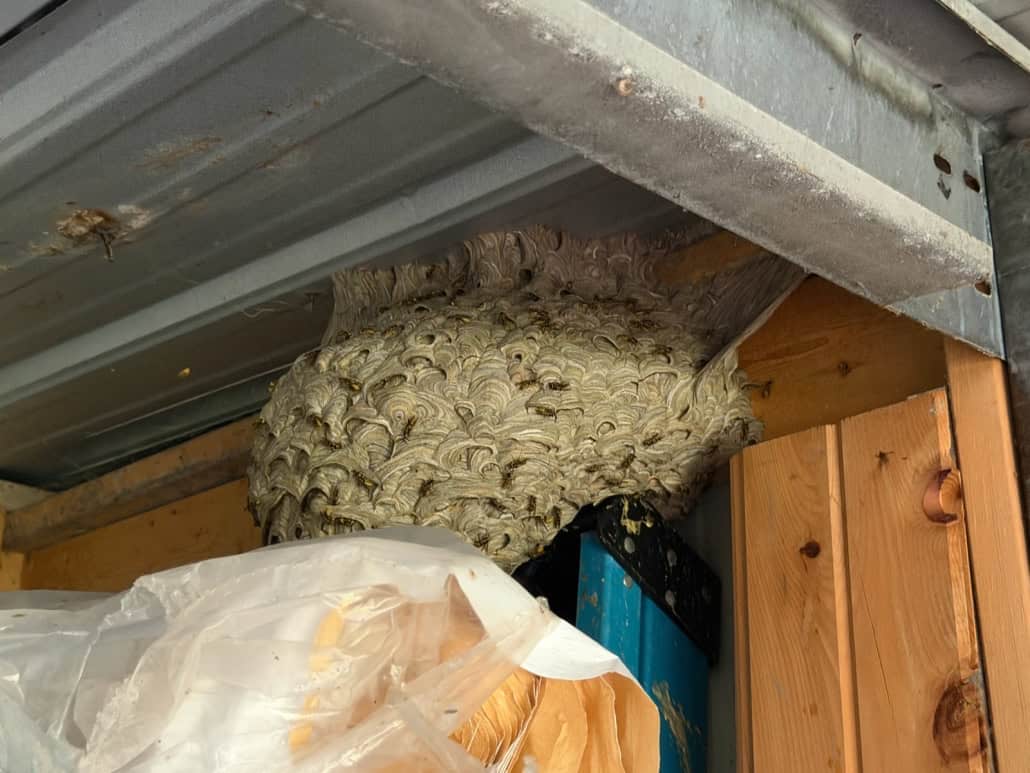
- A nest is what wasps and hornets build. Yellowjackets, bald-faced hornets, European hornets, and paper wasps make their nests from paper, which they create by chewing wood fibers and mixing them with saliva.
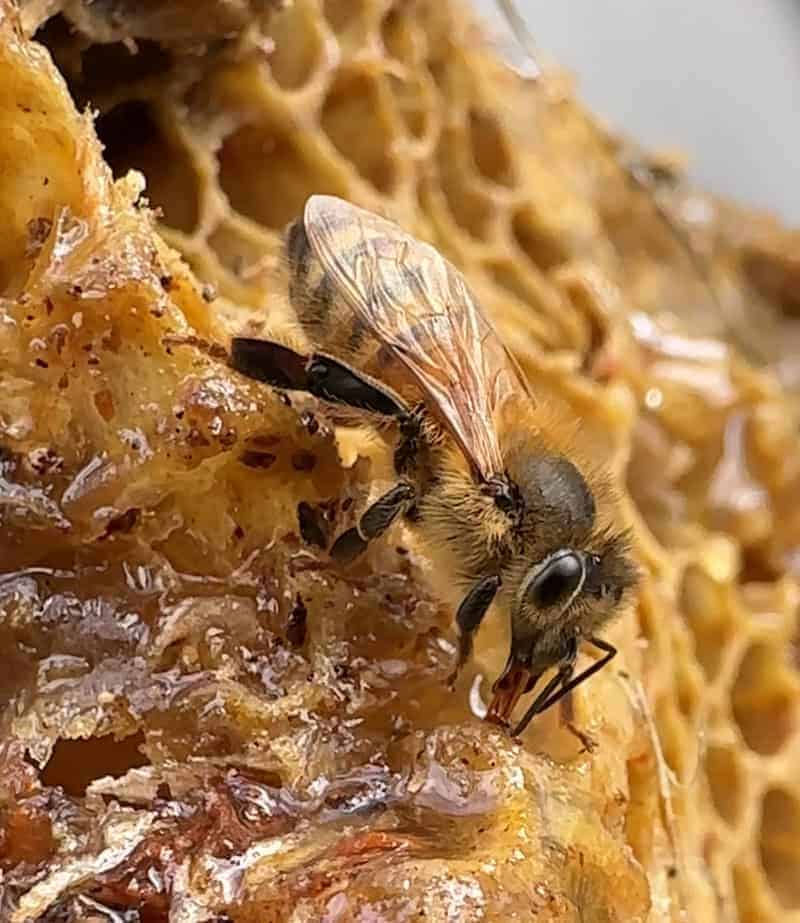
- A hive traditionally refers to a home for honeybees, especially a man-made box a beekeeper provides. In the wild, honeybees build a colony of beeswax comb inside a cavity such as a hollow tree, a wall, or a chimney.
In everyday language, though, most people say “wasp hive” when they mean a wasp nest. That is perfectly fine. What matters is what is actually inside your wall, eave, or yard.
Wasp Hive Removal: What You Are Usually Dealing With
When someone calls us about a “wasp hive,” it typically means one of these:
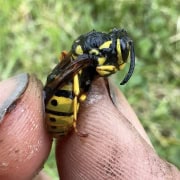
Yellowjacket nests
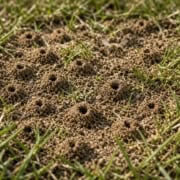
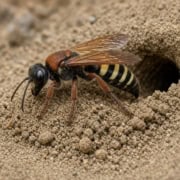
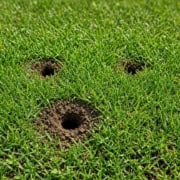
Gray or tan paper nests built underground, in wall voids, attics, and other hidden cavities. Inside, there are multiple stacked layers of paper comb surrounded by a papery envelope. A mature nest can hold thousands of workers by late summer. Learn more about yellowjackets in walls.
Bald-faced hornet nests
The classic gray “paper football” hanging from a tree, shrub, or eave. These nests can grow to the size of a basketball or larger. See our guide to bald-faced hornet nests.
Paper wasp nests
Smaller, open, umbrella-shaped combs with exposed cells and no outer envelope, usually under eaves, railings, and grills. Native paper wasps are always relocated by our team.
What Makes a Real Honeybee Hive Different
Honeybee colonies are a completely different situation, and it matters a lot:
- They are made of wax, not paper. Honeybees build sheets of beeswax comb filled with honey, pollen, and developing bees.
- They live year-round. Wasp colonies in our region die off in winter, but a honeybee colony clusters to stay warm and can survive in the same wall for years.
- They store honey. A colony in a wall can contain a lot of honey and comb. If the bees are killed, that honey can melt, leak, ferment, and attract other insects and rodents.
- They are pollinators we protect. Honeybees are always relocated alive, never exterminated.
That is why we always confirm the insect first. If what you are calling a wasp hive is actually honeybees, the job becomes a live removal and relocation. Our article on honeybees in your walls explains how that works.
How Wasp Hive Removal Works
Whether you call it a hive or a nest, our approach to wasps is the same:
- Confirm the species and locate the nest, including any hidden portion inside a structure.
- Remove the colony and the paper nest using pesticide-free methods.
- Leave nothing behind to rot. Spraying and walking away can leave a dead nest and larvae decomposing in your wall or ceiling. Removing the nest avoids that.
- Talk prevention so the same gap or void is less inviting next season.
Signs You Have a Wasp Nest vs. a Honeybee Colony
- Time of year: Wasp activity builds all summer and peaks in late summer and early fall. Honeybee colonies can be active any warm day, even in early spring or late fall.
- Behavior: Yellowjackets dart in and out quickly and investigate food and trash. Honeybees fly more steadily and return carrying pollen.
- What falls out: Wasp nests are papery. If you ever see wax, honey dripping, or a sweet smell, think honeybees.
- Winter activity: If you see insects flying from a wall on a warm winter day, it is almost certainly honeybees.
Why the Word You Search For Still Matters
People search for help in different ways. Some type “wasp hive removal,” others type “wasp nest removal,” “hornet nest removal,” or simply “bee removal” because they are not sure what they have. All of those searches can describe the same yellowjacket nest in a soffit, or they can describe a honeybee colony that has lived in a wall for two years.
That is why the most useful information you can give us is not the name you use, but what you are seeing:
- Where the insects are entering and leaving the structure
- How long you have noticed the activity
- Whether the insects look fuzzy or smooth and shiny
- Whether you have seen any insects inside the house
- Whether the nest is visible, and if so, whether it is papery or waxy
With those details and a photo taken from a safe distance, we can usually tell right away whether you need a wasp hive removal or a live honeybee relocation.
Frequently Asked Questions
Is it wrong to say “wasp hive”?
Not at all. It is a common way people describe a wasp nest, and we understand exactly what you mean. We will confirm the species when we look at it.
Do wasps reuse old nests?
No. In our region, yellowjacket and hornet colonies die off in the fall. New queens overwinter elsewhere and build new nests in spring, though they may choose a similar spot.
Why not just spray a wasp hive in a wall?
Spraying often leaves a dead nest inside the wall and can push surviving wasps deeper into the structure or into your living space. Our pesticide-free removal takes the nest out.
Where do you offer wasp hive removal?
We serve Northwest Ohio, East Indiana, and Southern Michigan.
Need a Wasp Hive or Nest Removed?
Whatever you call it, we can help you figure out what is living in your home and remove it safely. Visit our contact page to get in touch with Northwest Ohio Wasp Removal.