Wasps in Your Attic or Soffit: What’s Happening Inside
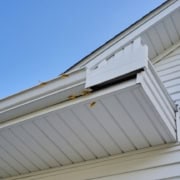
You see wasps disappearing into a gap under your roofline, hear faint rustling above the ceiling, or find a few slow wasps inside near an upstairs window. These are classic signs of wasps in your attic or soffit. What you can see from the yard is only a small part of what may be going on inside. Here is what is usually happening behind the soffit, the warning signs to watch for and the risks of waiting, for homeowners in Northwest Ohio, Eastern Indiana and Southern Michigan.
How Wasps Get Into Attics and Soffits
Wasps do not need much of an opening. A gap the width of a pencil is enough. Common entry points include:
- Loose or bent soffit panels and gaps where the soffit meets the fascia
- Gable vents and ridge vents with damaged or missing screens
- Roof returns and corners where trim pieces meet
- Gaps around bathroom and kitchen exhaust vents
- Openings where siding, trim and roofing do not fit tightly
What’s Happening Inside: Which Wasps Nest in Attics?
Yellowjackets
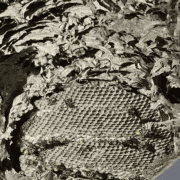
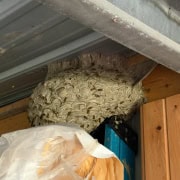
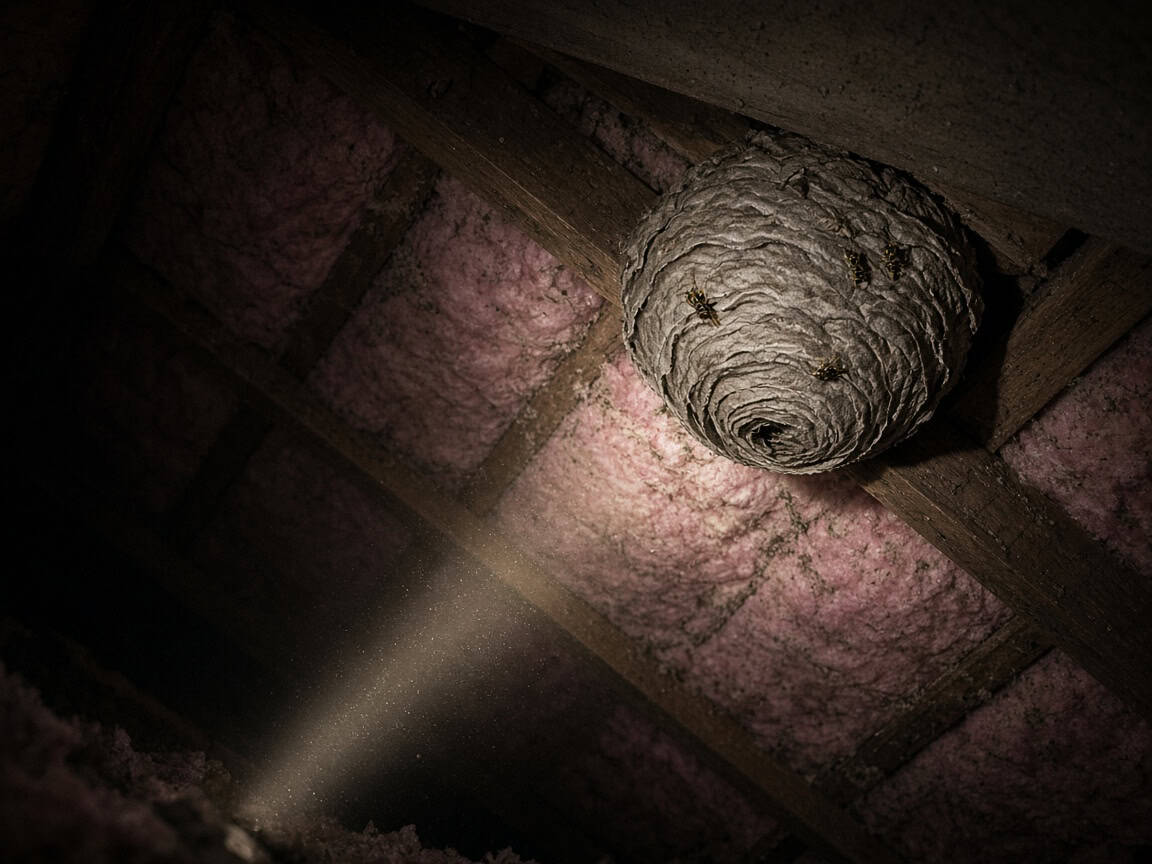
Yellowjackets are the most common wasps nesting in soffits and attics in our region. They build an enclosed paper nest in the void behind the soffit, between rafters or in the insulation. In a protected cavity, a single colony can grow to thousands of wasps by late summer. Because the nest is hidden, the only outside sign is often a steady line of wasps at one gap. Our article on yellowjackets in walls describes the same behavior inside wall cavities.
European Hornets
European hornets are large, brown-and-yellow wasps that like dark, roomy cavities. Attics, eaves and the spaces behind siding on older homes suit them well. They fly at night and are drawn to lights, so they sometimes end up inside the house in the evening. See European hornets in Ohio and Indiana.
Paper Wasps and Overwintering Queens
Paper wasps sometimes build open combs inside attics near a vent. In fall, new paper wasp queens also look for sheltered spots to spend the winter, and attics are a favorite. That is why people often find wasps inside upstairs rooms in winter. See wasps inside your house in fall and winter.
Honeybees
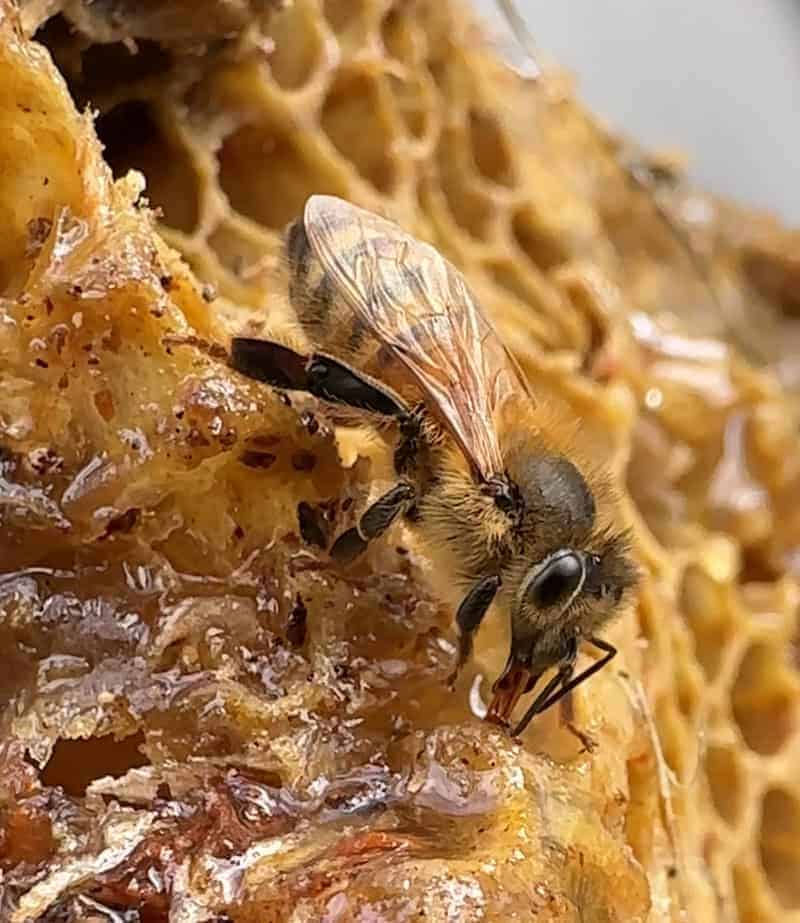
Sometimes the insects going into a soffit are honeybees, not wasps. A honeybee colony builds wax comb and can live in a structure for years. Honeybees are always relocated, never exterminated. See honeybees in walls.
Signs of Wasps in Your Attic or Soffit
- A steady line of wasps flying in and out of one spot on the roofline
- Wasps landing on the soffit and crawling into a seam
- Rustling, scratching or a low buzzing sound in the ceiling or walls, especially on warm afternoons
- Wasps showing up inside the house, especially in upstairs rooms, closets or around ceiling light fixtures
- Dead wasps collecting on upstairs windowsills
- In severe cases, a damp or discolored spot on a ceiling or wall where a large nest is pressing against drywall
Why Attic and Soffit Nests Are Risky
- They grow unseen. By the time you notice them, a hidden nest can be very large.
- They can find a way inside. Wasps can chew through drywall or move through gaps around light fixtures, attic hatches and vents into living space.
- Blocking the entrance backfires. If you caulk or tape over the hole while the colony is active, the wasps look for another way out, sometimes into your home.
- Sprays make it worse. Spraying into a gap rarely reaches the nest, and it can push wasps deeper into the structure or indoors. See DIY wasp spray mistakes.
- Ladders and stings do not mix. Soffit nests are usually high up, and a sting while on a ladder can cause a serious fall.
What You Should Do Now
- Note where the wasps are going in and take a photo or short video from a safe distance.
- Keep doors to the attic and upstairs rooms closed, and keep kids and pets away from the area outside.
- Do not seal the gap, spray it or go into the attic to look for the nest.
- Call or text us so we can identify what is nesting and take care of it safely.
Our service is pesticide-free. If the insects turn out to be honeybees or native paper wasps, they are relocated, not destroyed.
Frequently Asked Questions
Will the wasps leave on their own?
Yellowjacket and hornet colonies die off in late fall, but the colony can cause problems all summer and fall. Honeybee colonies do not leave on their own.
When should I seal up the gaps?
After the colony is gone, usually in late fall or winter. See our guide to wasp prevention.
Wasps Going Into Your Roofline?
Call or text Northwest Ohio Wasp Removal at 419-614-6445 or visit our contact page. We serve Northwest Ohio, Eastern Indiana and Southern Michigan.