What Attracts Wasps to Your Yard? The Food, Water and Shelter Checklist
If your yard seems to have more wasps than your neighbor’s, there’s usually a reason. Wasps go where food, water and good nest sites are. Knowing what attracts wasps, and how that changes through the season, lets you take away the easy wins without spraying anything. Here’s the short version, then a walk-around checklist.
Food: Protein Early, Sugar Late
Ohio State University Extension explains that adult yellowjackets feed mainly on sugars, such as fruit, nectar and tree sap, while their larvae need protein, such as insects and meat (OSU Extension HYG-2075). The University of California IPM program notes workers forage mainly for protein from spring to midsummer, then turn to sweets in late summer as colony growth slows (UC IPM). OSU puts that shift in Ohio at August through October.
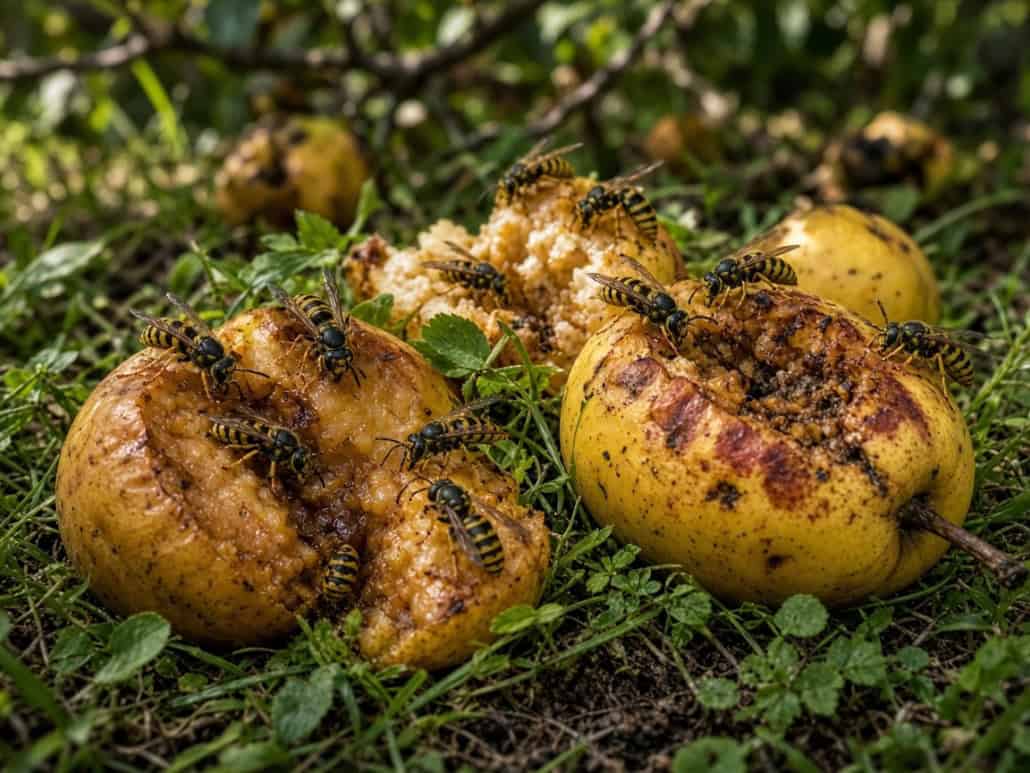
That’s why late-season wasps are so drawn to people food. Clemson Extension lists carbonated beverages, juices, candy, meats, cakes, fruit, vegetables and ice cream (Clemson HGIC). UC IPM adds dishes of dog or cat food placed outside and ripe or overripe fruit, and warns that once wasps discover food, they keep hunting around that spot long after it’s gone.

Scents and Clothing
OSU notes yellowjackets are attracted to floral perfumes, hairspray fragrances and bright, flowery clothing. The UC IPM stings guide suggests skipping perfume, cologne and scented soaps in areas with bee and wasp activity (UC IPM: Bee and Wasp Stings).
Water
NC State Extension notes that in hot, dry weather, honeybees and other insects seek out any available water, including pools, water slides and fountains, and that bees and yellowjackets may also be drawn to food in nearby trash cans (NC State Extension).
Shelter: What Attracts Wasps to Build Nests
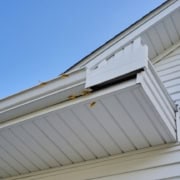
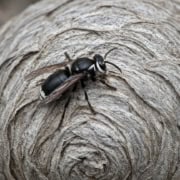
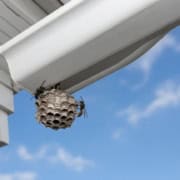
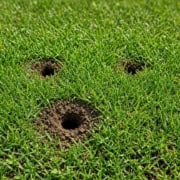
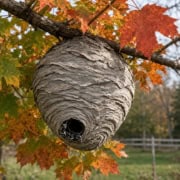
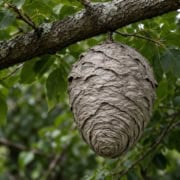
Clemson describes paper wasps building in protected spots like shrubs, porch ceilings, window and door frames, roof overhangs, attic rafters and under decks (Clemson HGIC: Paper Wasps). OSU notes yellowjackets use animal burrows, thick mulch, rotted stumps and wall voids. Gaps in siding, soffits and vents are open invitations. See wasp nest in siding and wasp nest in a dryer vent.
The Walk-Around Checklist
- Trash and recycling bins have tight lids and are rinsed of spills.
- Pet food and water bowls come inside after meals.
- Fallen fruit is picked up, especially in late summer.
- Drinks outdoors have lids, and food stays covered until served.
- Gaps in siding, soffits and trim are sealed once no nest is active.
- Vents and openings are screened.
- Bare wood is painted or sealed, which Clemson says makes it harder for nests to attach.
- Shrubs near the house are trimmed and thinned.
Our wasp prevention guide walks around the whole outside of the house.
Frequently Asked Questions
Do traps or fake nests help?
See fake wasp nests, traps and peppermint oil.
What about stings at picnics?
Why are wasps worse in fall?
See aggressive wasps in late summer and fall.
Already Have a Nest?
Call or text Northwest Ohio Wasp Removal at 419-614-6445, or visit our contact page. We’ll give you a free virtual quote for our wasp and hornet nest removal, done with no pesticides.