Wasp and Bee Sting Allergies: When a Nest Near Your Home Is an Emergency
For most people, a wasp or bee sting is painful but temporary. For someone with a sting allergy, a nest near the house can be a genuine safety concern. This article explains the difference between normal and serious reactions, when a nest becomes an urgent problem, and when to request emergency wasp removal in Northwest Ohio, East Indiana, and Southern Michigan.
Important: This article is general safety information, not medical advice. If someone is having trouble breathing or shows signs of a severe reaction after a sting, call 911 immediately.
Normal Reactions vs. Allergic Reactions
Typical local reaction
Most stings cause pain, redness, and swelling right around the sting site. Some people get a larger area of swelling that can last a few days. These reactions are uncomfortable but are not usually dangerous.
Common first-aid steps for a typical sting include:
- Move away from the area to avoid more stings.
- If a honeybee stinger is left in the skin, remove it quickly by scraping or pulling it out. Speed matters more than method.
- Wash the area with soap and water.
- Apply a cold pack to reduce swelling.
Signs of a severe allergic reaction (anaphylaxis)
A severe allergic reaction can affect the whole body and can happen within minutes. Warning signs can include:
- Difficulty breathing, wheezing, or throat tightness
- Swelling of the face, lips, tongue, or throat
- Hives or itching spreading beyond the sting site
- Dizziness, fainting, or confusion
- Nausea, vomiting, or stomach cramps
- A rapid or weak pulse
If you see these signs, call 911. If the person has a prescribed epinephrine auto-injector, it should be used as directed by their doctor. Do not wait to see if symptoms improve.
Multiple stings
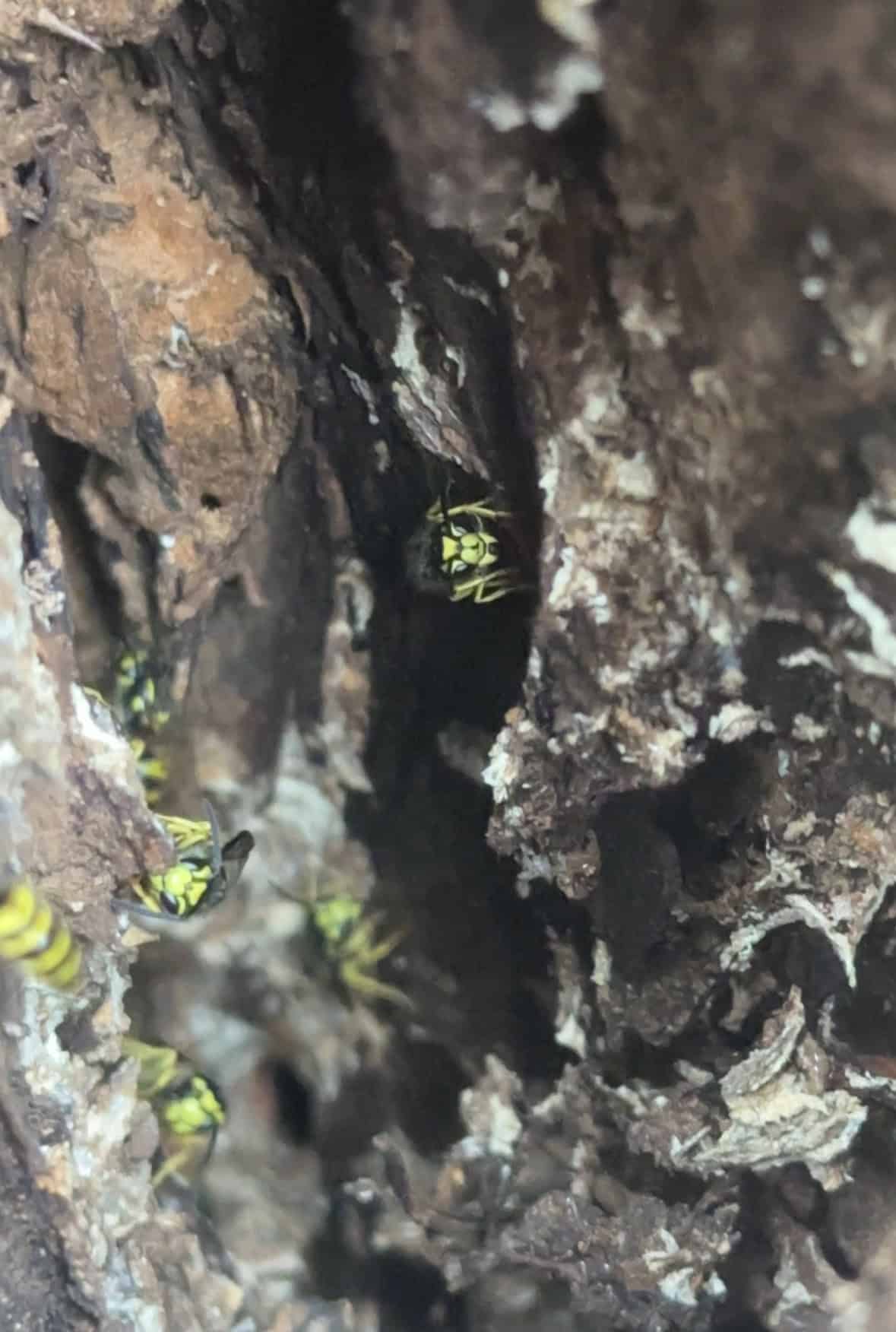
Even people without an allergy can be seriously affected by a large number of stings, which can happen when a yellowjacket ground nest or hornet nest is disturbed. Anyone who has been stung many times should seek medical care.
Anyone who has had a significant reaction to a sting should talk with their doctor about evaluation and whether they should carry epinephrine.
Why Some Nests Are Riskier Than Others

The insect matters. Different stinging insects create different levels of risk:
- Yellowjackets: Large colonies, highly defensive, and able to sting repeatedly. Ground nests are easy to disturb by accident. See our guide to yellowjacket ground nests.
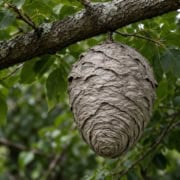
- Bald-faced hornets: Large aerial nests defended aggressively when disturbed.
- European hornets: Large wasps that fly at night and can surprise people around lights.
- Paper wasps: Smaller colonies, usually less defensive, but nests are often right beside doors and railings.
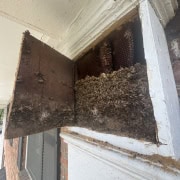
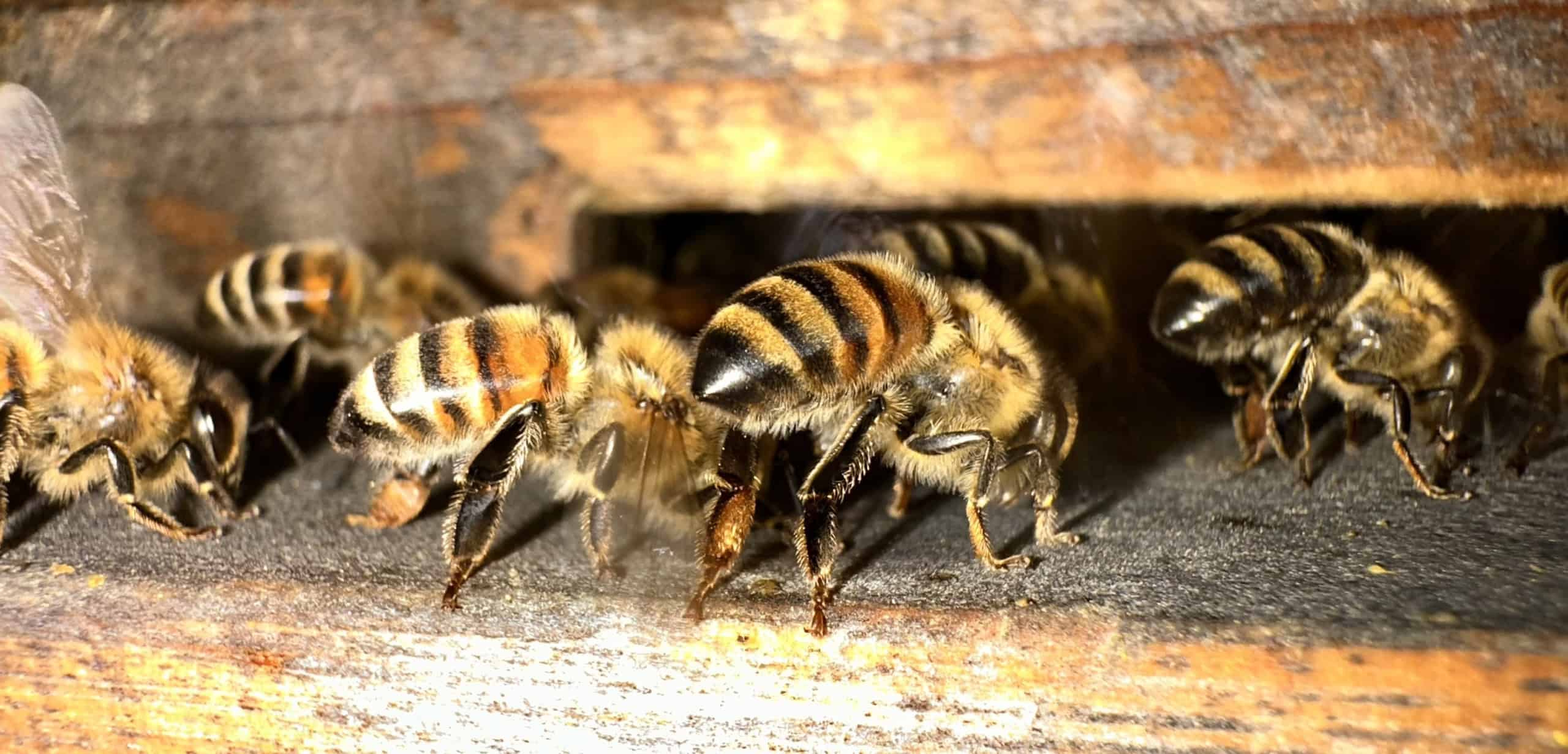
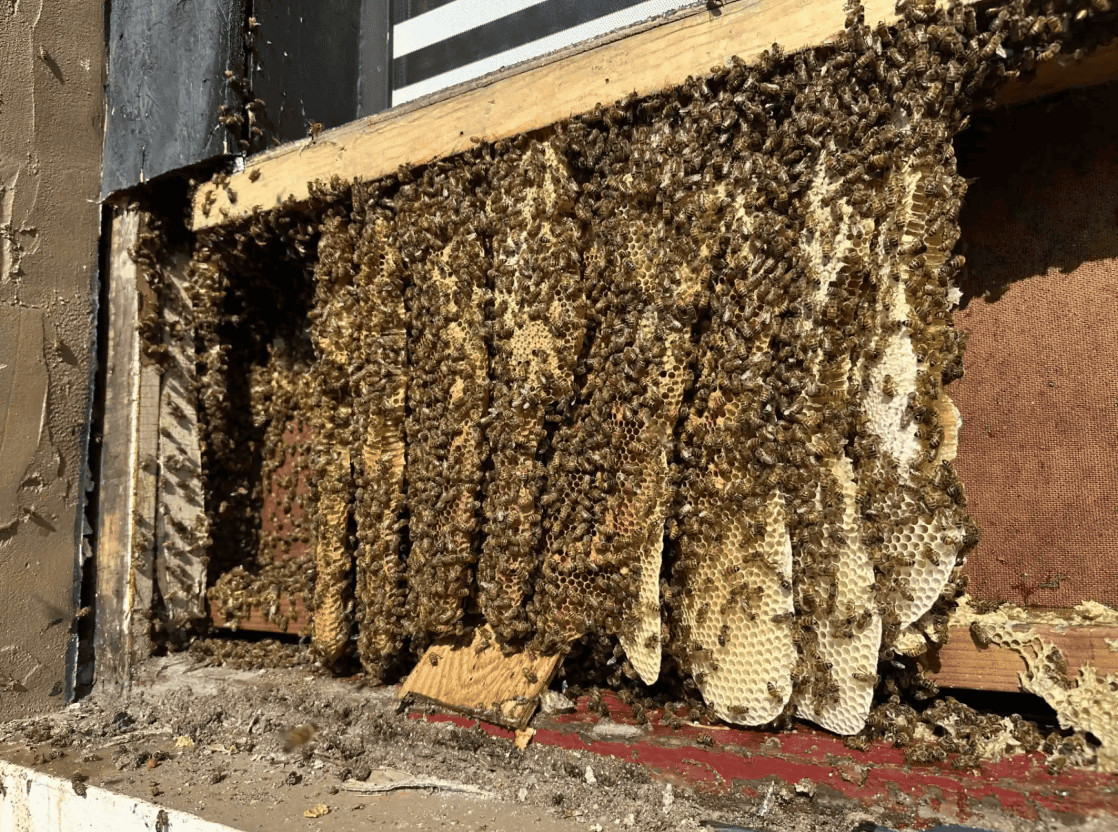
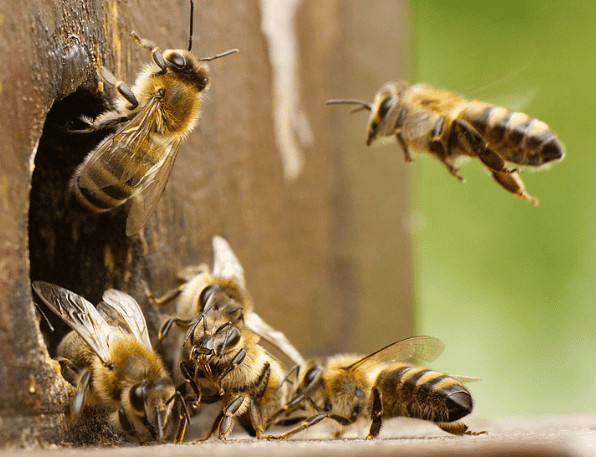
- Honeybees: Generally sting only once and are calm when swarming, but a colony in a wall near a door can still pose a risk for someone who is allergic.
Not sure what you have? Our identification guide can help.
When a Nest Near Your Home Is an Emergency
Consider a nest urgent and request prompt removal when:
- Someone in the household has a known sting allergy and the nest is near a door, walkway, driveway, or play area.
- Wasps are getting inside the house, especially into bedrooms, a nursery, or living areas.
- A ground nest is in a lawn or yard that children or pets use.
- Someone has already been stung near the nest.
- The nest is at a business, school, daycare, or other public space where people cannot avoid it.
- It is late summer, when colonies are largest and most defensive. See our wasp season guide.
What to Do Until the Nest Is Removed
- Avoid the area. Use another door if possible.
- Keep pets and children inside or away from the nest.
- Do not mow, trim, or use power tools near the nest.
- Do not attempt to spray or knock down the nest, especially if you are the person with the allergy. Read why in our article on DIY wasp spray mistakes.
- Do not seal the entrance of a nest in a wall. It can push wasps into your living space.
- Keep prescribed epinephrine handy for anyone who has been told to carry it.
- Cover food and drinks outdoors. Yellowjackets are drawn to sweets and can end up inside cans and cups.
How We Handle Emergency Wasp Removal
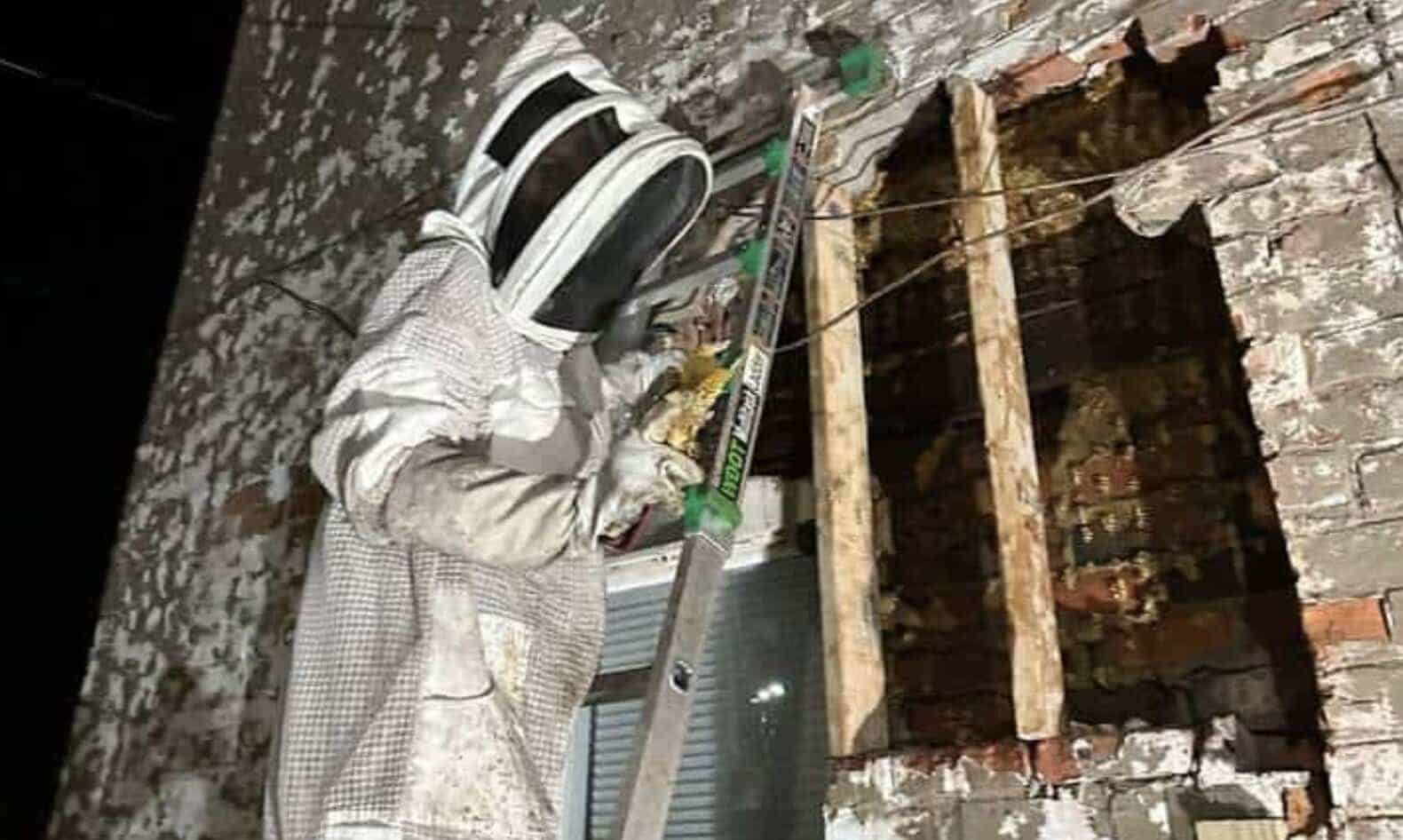
When you contact us, let us know right away if anyone in the household has a sting allergy. That helps us understand the urgency and plan accordingly. Our methods are pesticide-free: the colony and nest are physically removed, so nothing is sprayed in your home and nothing is left rotting in your walls.
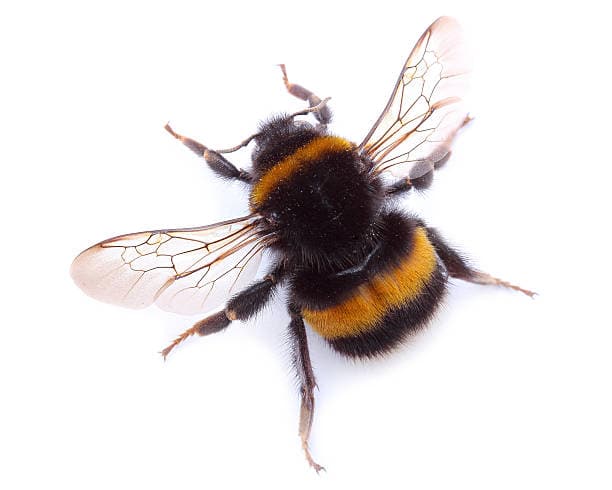
Our company is owned by a beekeeper, so if the insects turn out to be honeybees, bumblebees, or native paper wasps, they are relocated rather than exterminated, with your family’s safety still the top priority.
Frequently Asked Questions
What should I do if someone is having a severe reaction to a sting?
Call 911 immediately. If the person has a prescribed epinephrine auto-injector, it should be used as directed. Do not wait to see if symptoms improve.
Can you become allergic to stings later in life?
Sting allergies can develop at any age, even in people who have been stung before without problems. Anyone who has had a concerning reaction should talk with their doctor.
Is a wasp sting worse than a bee sting?
Both can cause reactions. Wasps and hornets can sting multiple times, while honeybees usually sting once. Any sting can trigger an allergic reaction in a sensitive person.
Do you offer emergency wasp removal outside Ohio?
We serve Northwest Ohio, East Indiana, and Southern Michigan.
Have a Nest Near Someone With an Allergy?
Do not wait until someone gets stung. Visit our contact page to reach Northwest Ohio Wasp Removal and let us know about any allergies in your household.