Aggressive Wasps: Why Wasps Get Meaner in Late Summer and Fall
In June, yellowjackets barely notice you. By late August, they are diving into your soda, hovering over every plate and stinging people who never touched a nest. Homeowners across Northwest Ohio, Eastern Indiana and Southern Michigan ask us every year why they suddenly have so many aggressive wasps. The answer comes down to colony size, a change in diet and a nest full of valuable new queens. Here is what is happening and how to stay safe.
Why Aggressive Wasps Show Up in Late Summer
1. Colonies Are at Their Biggest
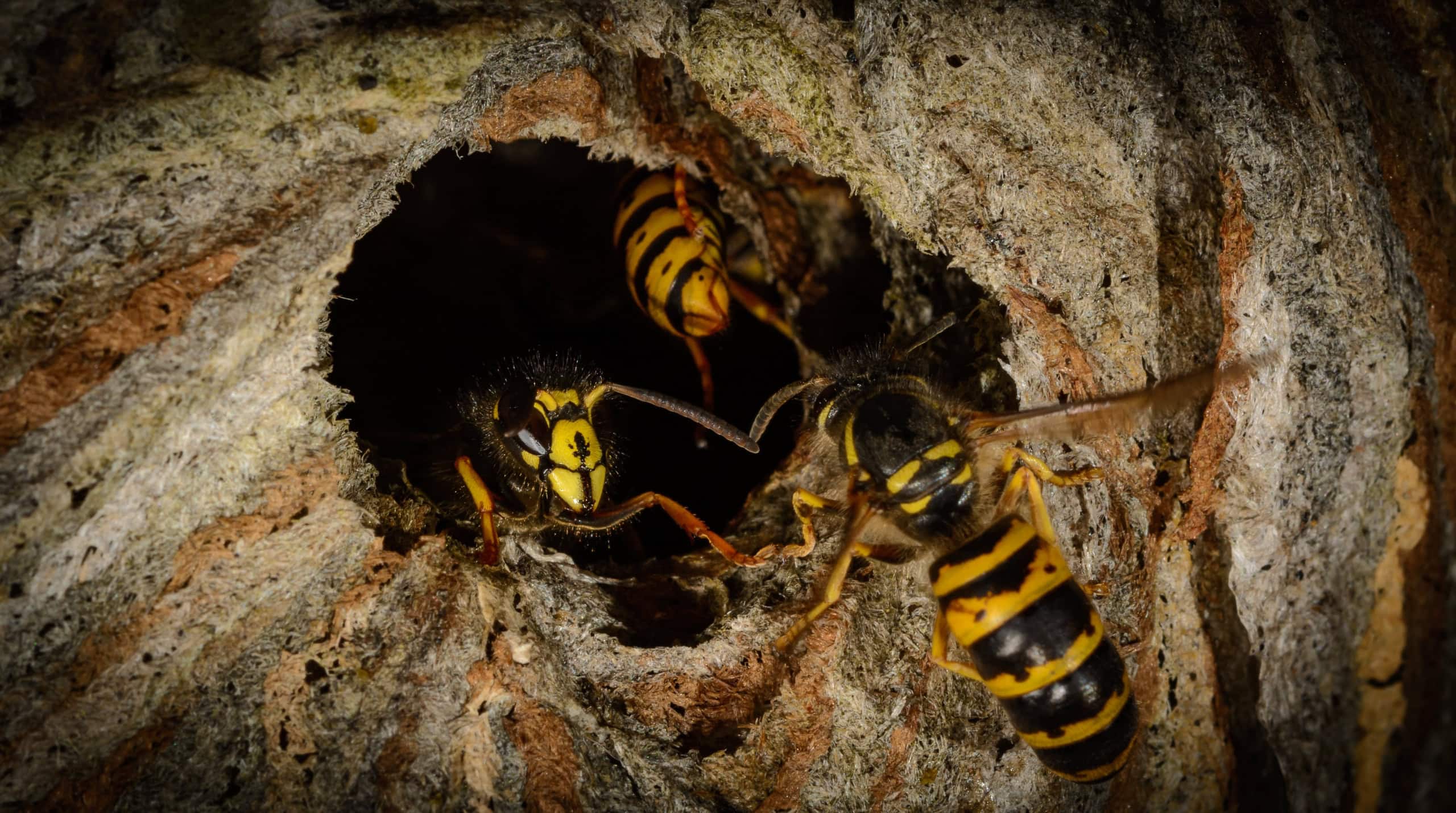
A yellowjacket colony starts in spring with one queen and grows all summer. By late summer, a single ground or wall nest can hold thousands of workers. More wasps means more foragers in your yard and more guards at the nest. Our wasp season guide shows how fast colonies grow month by month.
2. Their Diet Shifts Toward Sugar
Through early summer, worker yellowjackets hunt insects and carry them back to feed the larvae. In exchange, the larvae give the workers a sugary liquid. Late in the season, the colony stops raising new workers and the number of larvae drops. Adult workers lose much of that sugar supply and go looking for it elsewhere: ripe fruit, soda, juice, beer, ice cream, and trash cans. That puts them right where people eat and drink.
3. The Nest Is Protecting New Queens
In late summer and fall, colonies raise next year’s queens and males. The whole colony’s future depends on those queens, and workers defend the nest strongly. Vibrations from mowers, footsteps, or kids playing near the entrance can trigger a fast, mass defense.
4. Food Gets Scarcer
As fall arrives, flowers fade and insect prey becomes harder to find. Hungry workers range farther and are more persistent around any food source.

Which Wasps Get Most Aggressive?
- Eastern yellowjackets and German yellowjackets: The main late-summer scavengers at picnics and trash cans, and the most common source of stings. See yellowjacket ground nests.
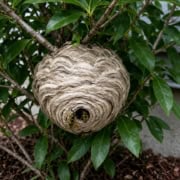
- Bald-faced hornets: Not picnic pests, but very defensive near their nests.
- European hornets: Large, active into the night and defensive near the nest.
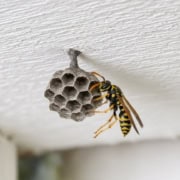
- Paper wasps: Generally less aggressive, though they will defend a nest that is bumped.
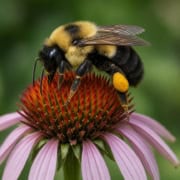
Honeybees and bumblebees are not usually the problem. Honeybees may visit sweet drinks too, but they are rarely aggressive away from the hive.
Common Late-Season Sting Situations
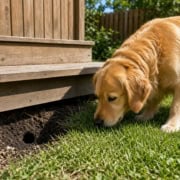
- Mowing or string-trimming over a hidden ground nest
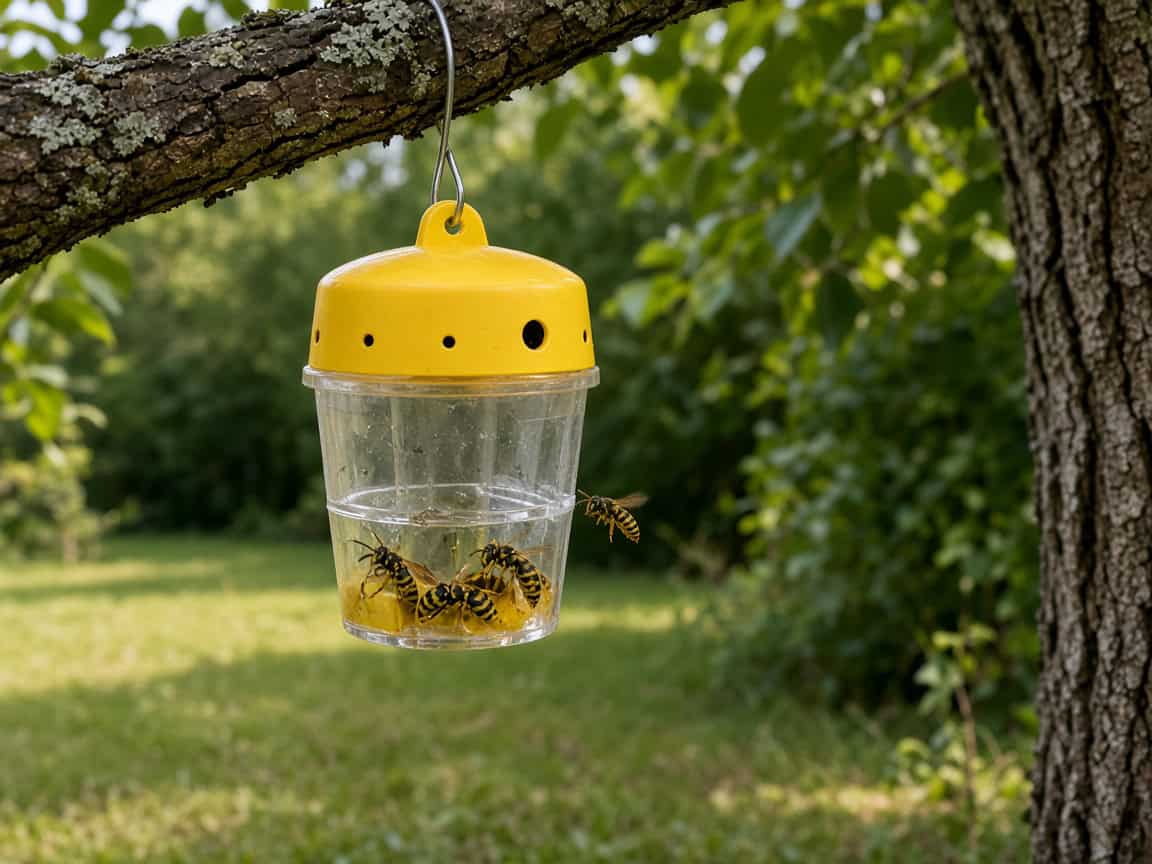
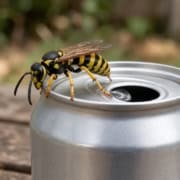
- Drinking from a can or cup that a yellowjacket crawled into
- Swatting at a wasp near food
- Picking up fallen fruit
- Trimming shrubs with an aerial nest inside
- Opening a shed, grill or playset with a nest built over the summer
How to Avoid Stings in Late Summer and Fall
- Cover food and drinks outdoors. Use cups with lids and straws, and check cans before sipping.
- Keep trash lidded and away from seating areas. Rinse recycling.
- Pick up fallen fruit from under fruit trees.
- Do not swat. Move away calmly. Crushing a yellowjacket can release an alarm scent that draws others.
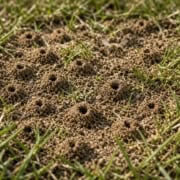
- Walk the yard before mowing and watch for steady traffic in and out of the ground.
- Wear shoes outside, especially in clover.
When to Call for Wasp Removal
A few foraging wasps around a picnic are normal in late summer. But if you are seeing heavy traffic in one spot, or wasps keep coming from the same place, there is likely a nest nearby. Call for professional wasp removal when a nest is near doors, play areas, walkways, or anywhere someone with an allergy spends time. Our pesticide-free removal is safe for families, pets and pollinators. Please avoid the do-it-yourself approach with late-season nests. They are at their largest and most defensive. See DIY wasp spray mistakes and our guide to emergency wasp removal.
Will It Get Better?
Yes. Once several hard frosts arrive, colonies die off and only new queens survive the winter. See what happens to wasp nests in winter. To get ahead of next year, check for starter nests in spring. Our article on spring wasp queens explains how.
Frequently Asked Questions
Are wasps “drunk” in the fall?
You may hear that wasps get drunk on fermenting fruit. What we can say for sure is that late-season wasps are hungry, crowded around sugar sources and more likely to run into people.
Why are there more wasps some years than others?
Wasp numbers vary from year to year with spring weather, food supply and how many queens survived the winter. Some years simply produce more and larger colonies.
Dealing With Aggressive Wasps Right Now?
Call or text Northwest Ohio Wasp Removal at 419-614-6445 or visit our contact page. We serve Northwest Ohio, Eastern Indiana and Southern Michigan.